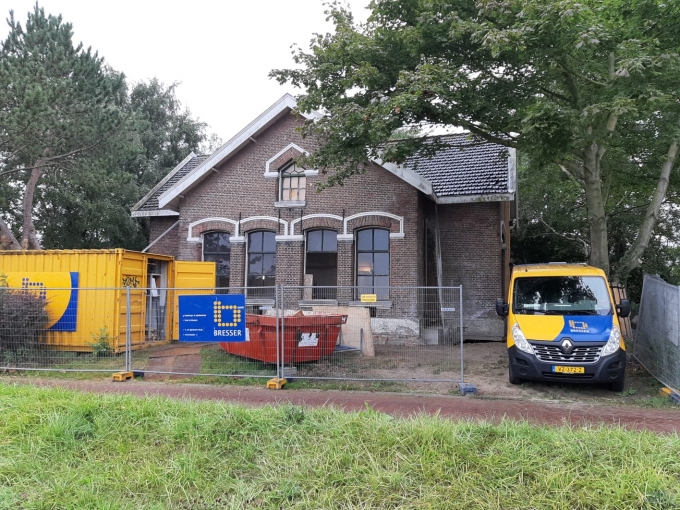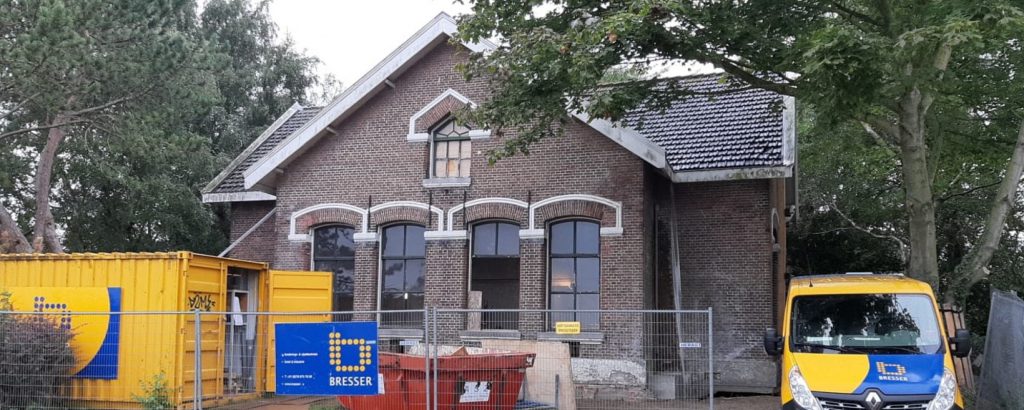
Monumental lock keeper’s house in Veere (NL) straightened out

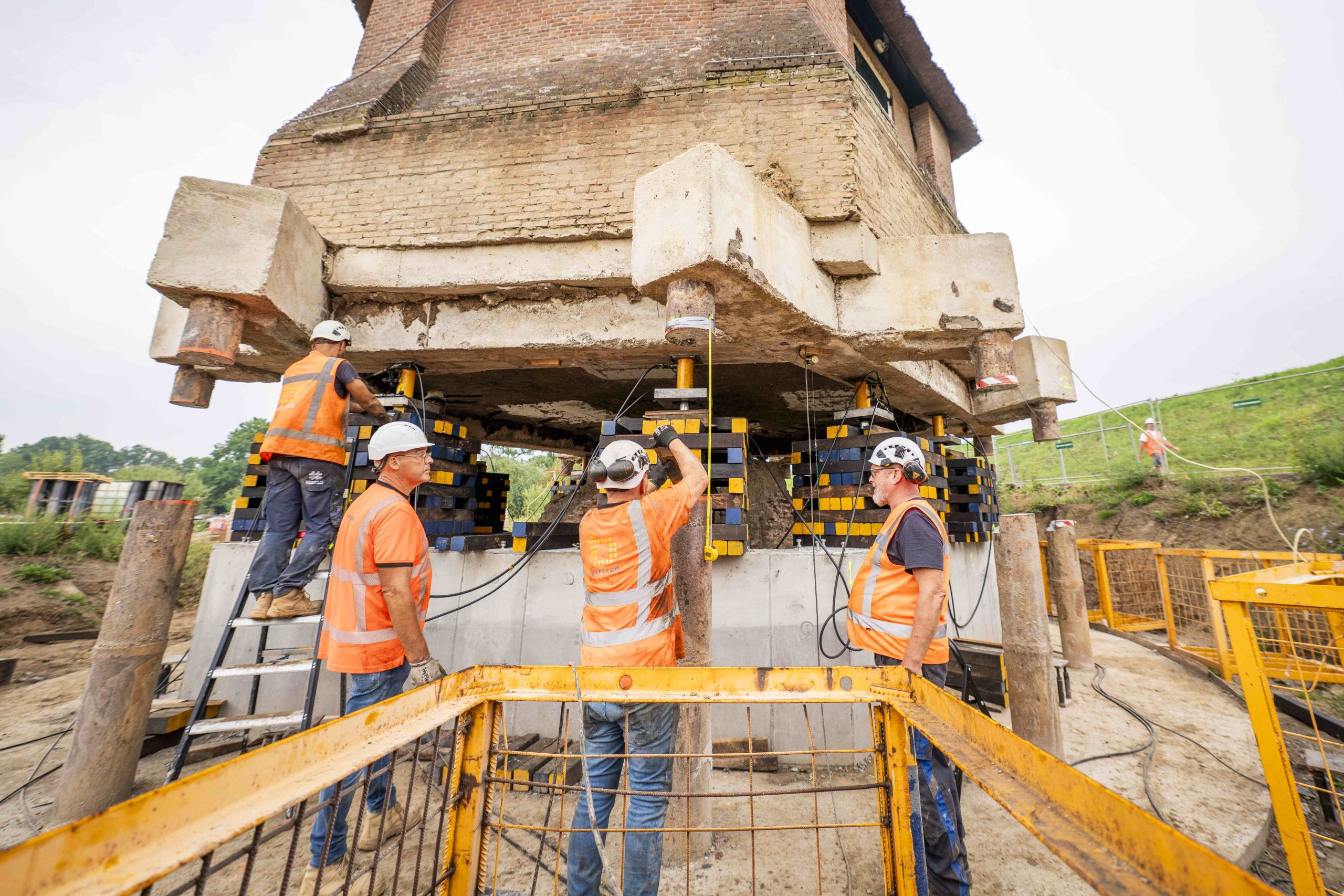
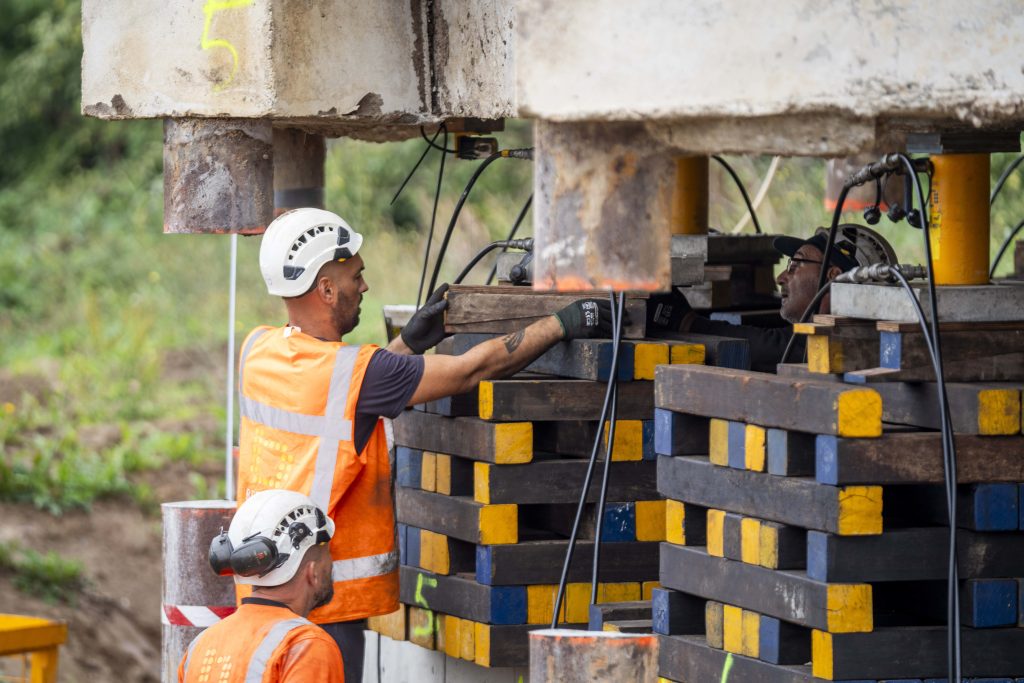
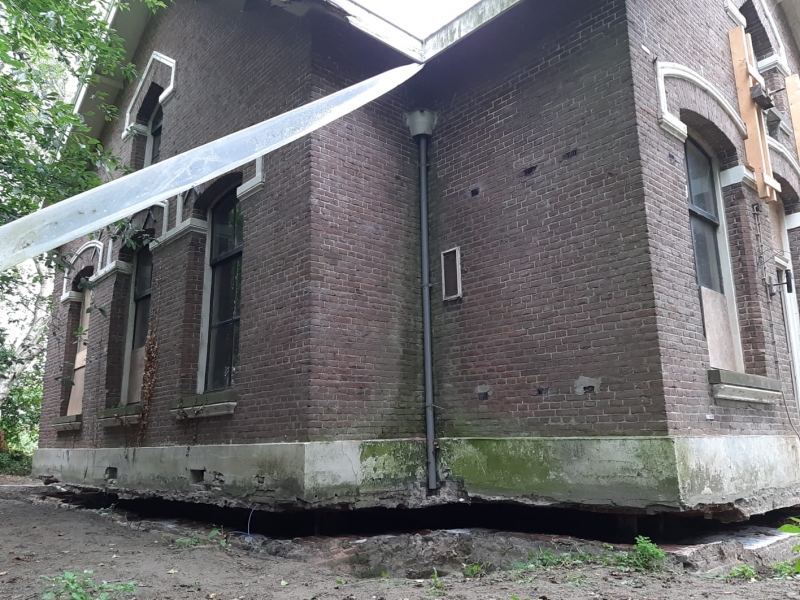
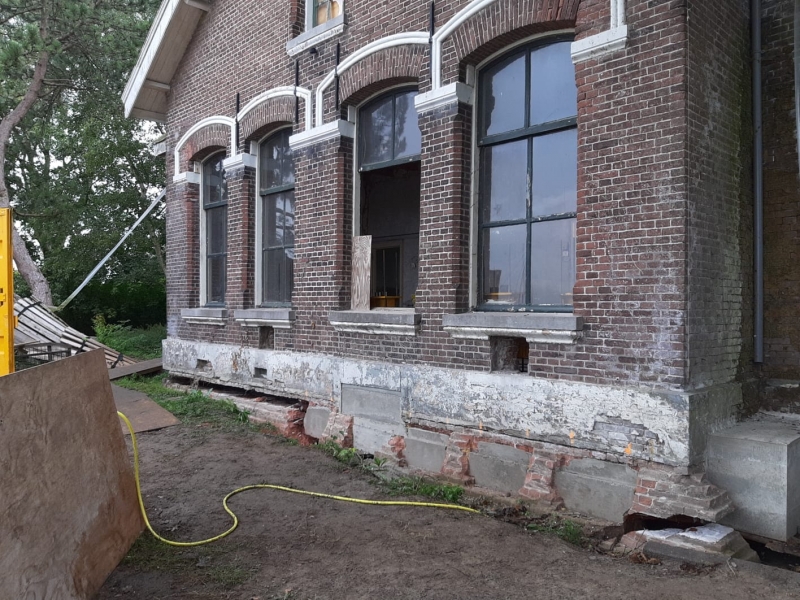
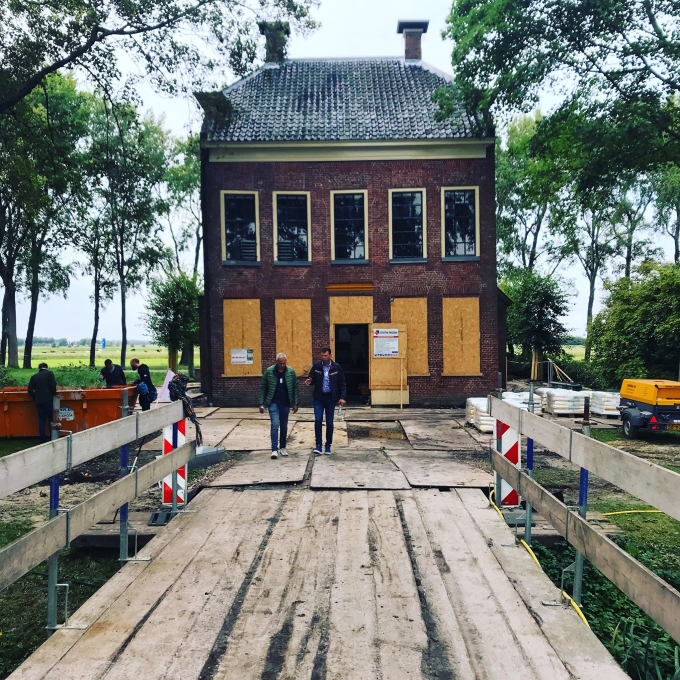
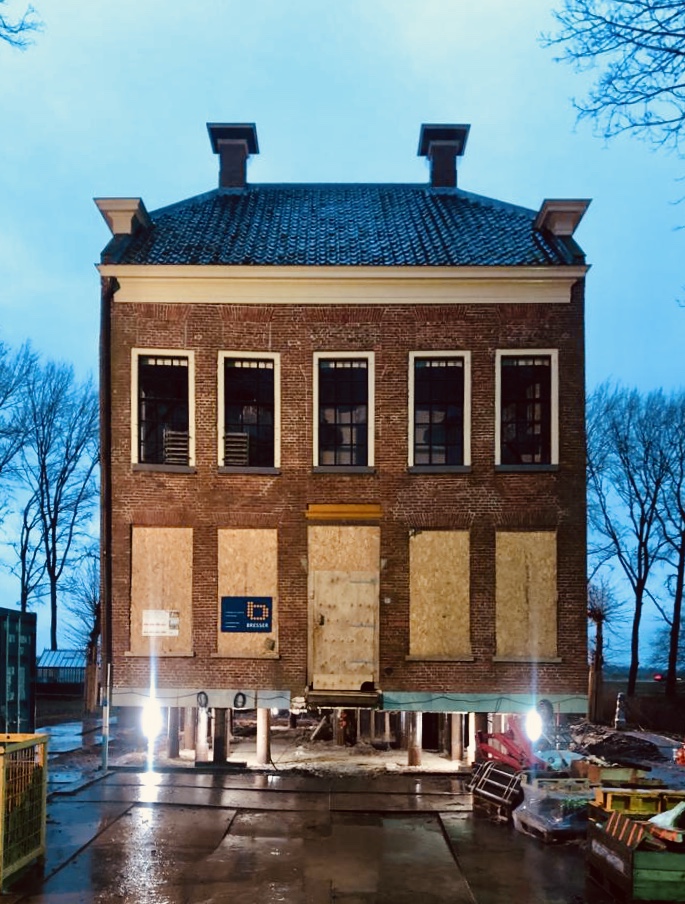
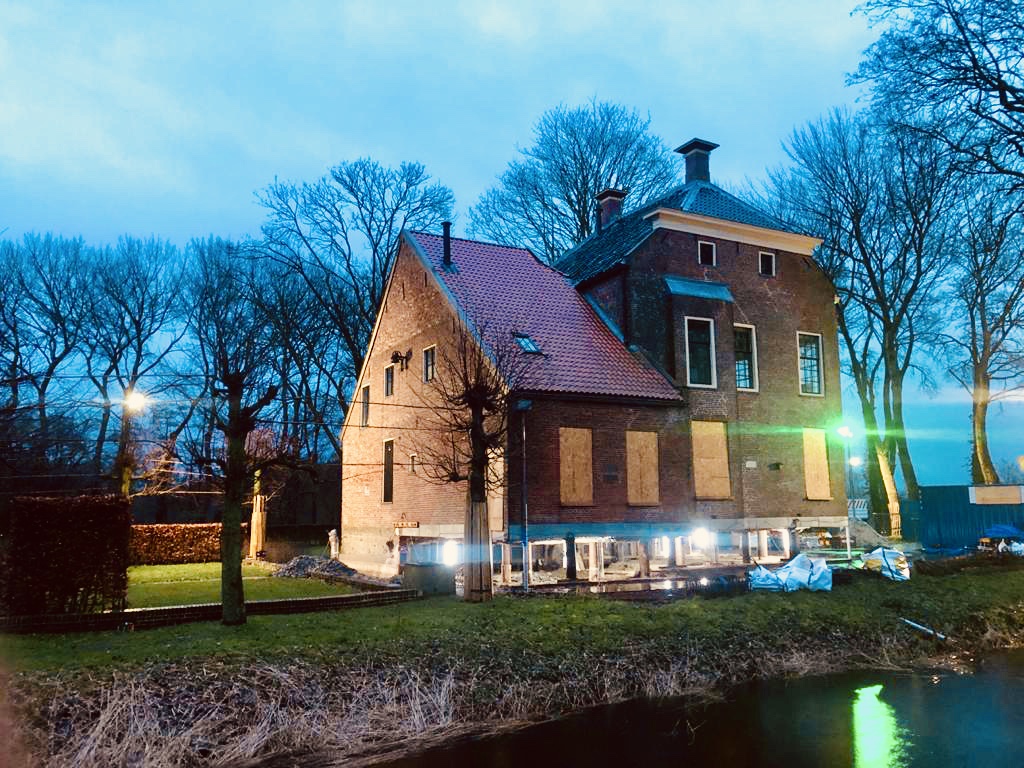
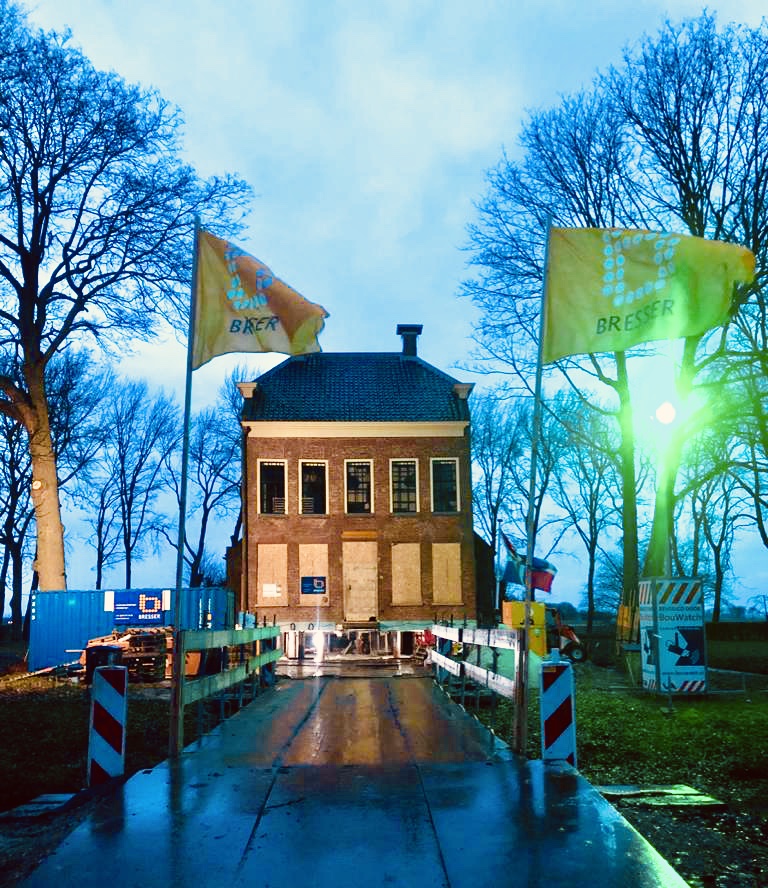
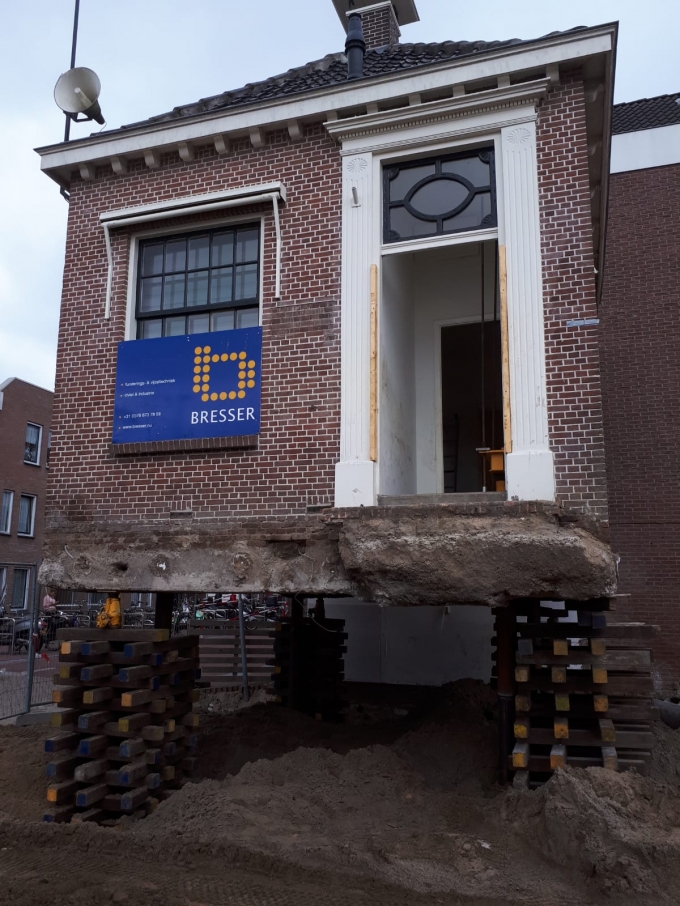
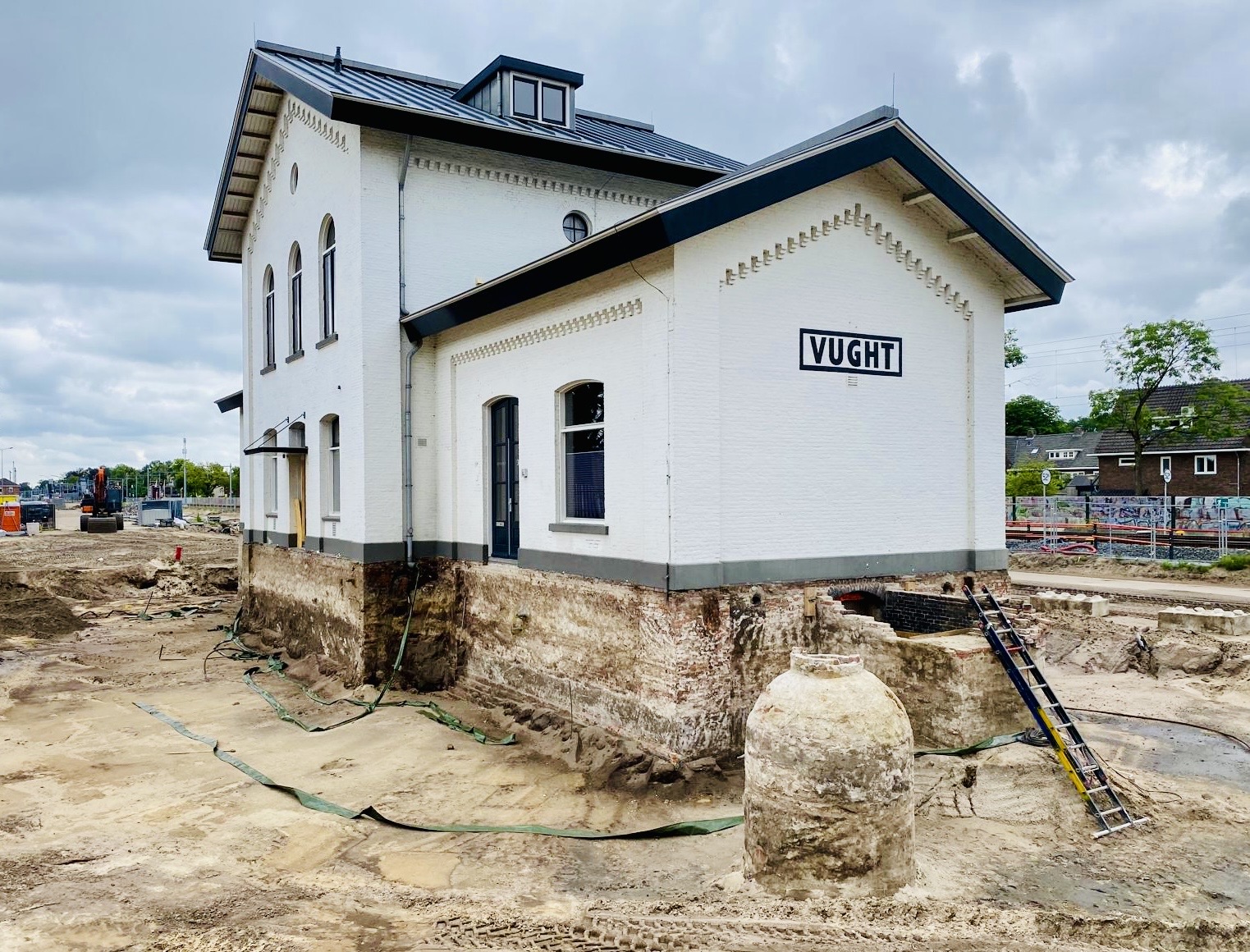
Team Bresser has successfully jacked up and straightened the monumental lock keeper’s house in Veere. The characteristic building from 1872 had unevenly subsided, requiring careful rectification to restore its stability.

This project was extra special for our colleague Stefan, as it took place in his home region. The regional newspaper PZC covered the project with a video report and an in-depth story about this remarkable job.

Monumental ‘borg’ is made earthquake-proof

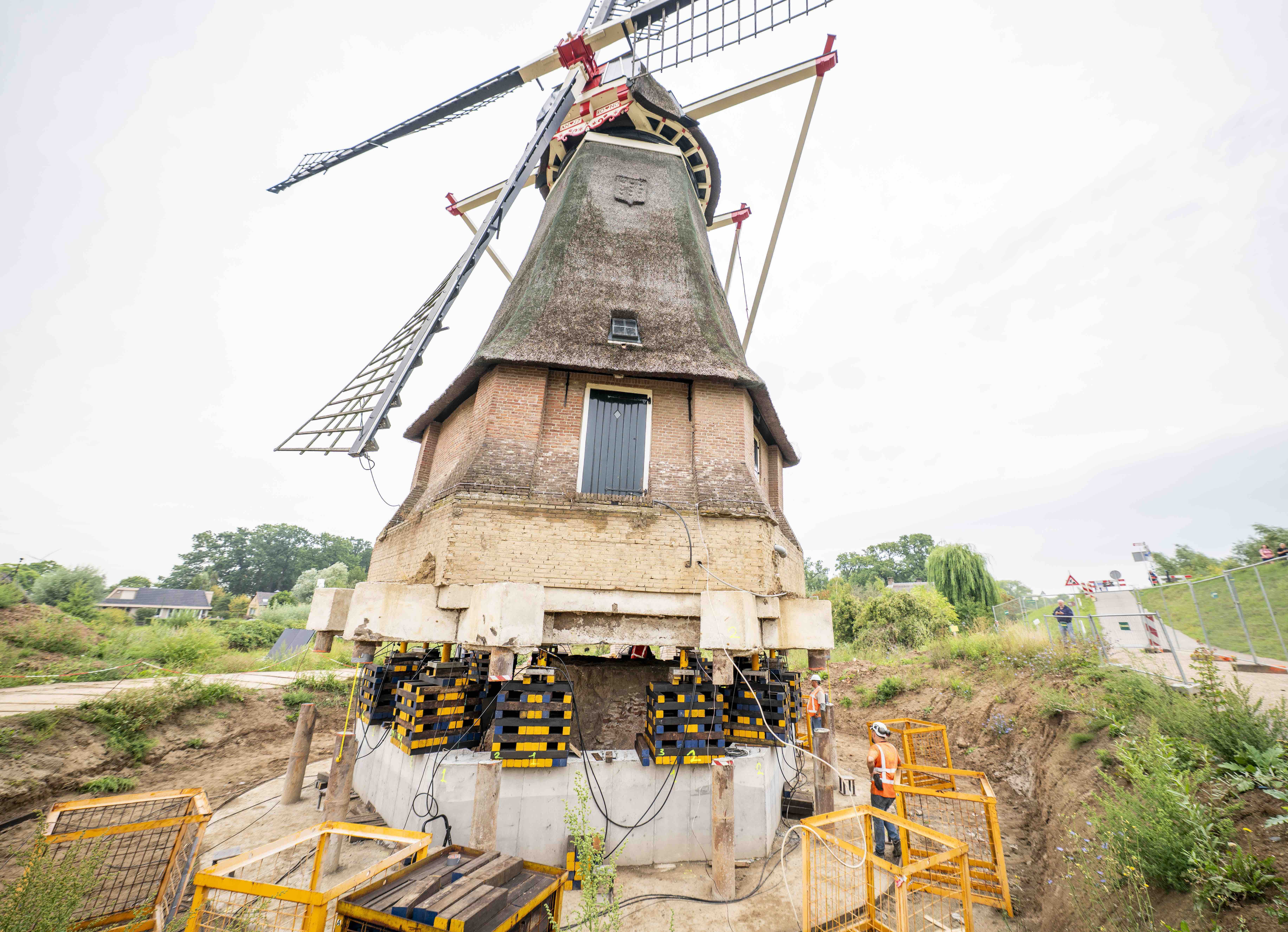
Bresser has contribuited to the future-proofing of the beautiful historic house Borg Rusthoven in Wirdum, Groningen. This important piece of Dutch cultural heritage is being upgraded using advanced base isolation technology.

By applying this earthquake-resistant foundation system, the borg will be protected against seismic activity in the future, ensuring the preservation of this unique heritage site.

The regional newspaper ‘Dagblad van het Noorden’ published an insightful article about this special project, highlighting the importance of safeguarding historic buildings in earthquake-prone areas.

800 year old hamman relocated to new destination

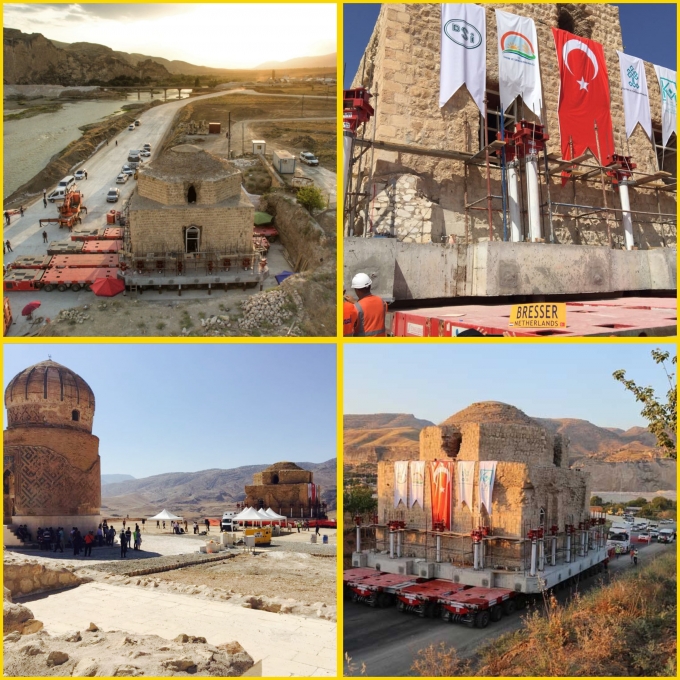
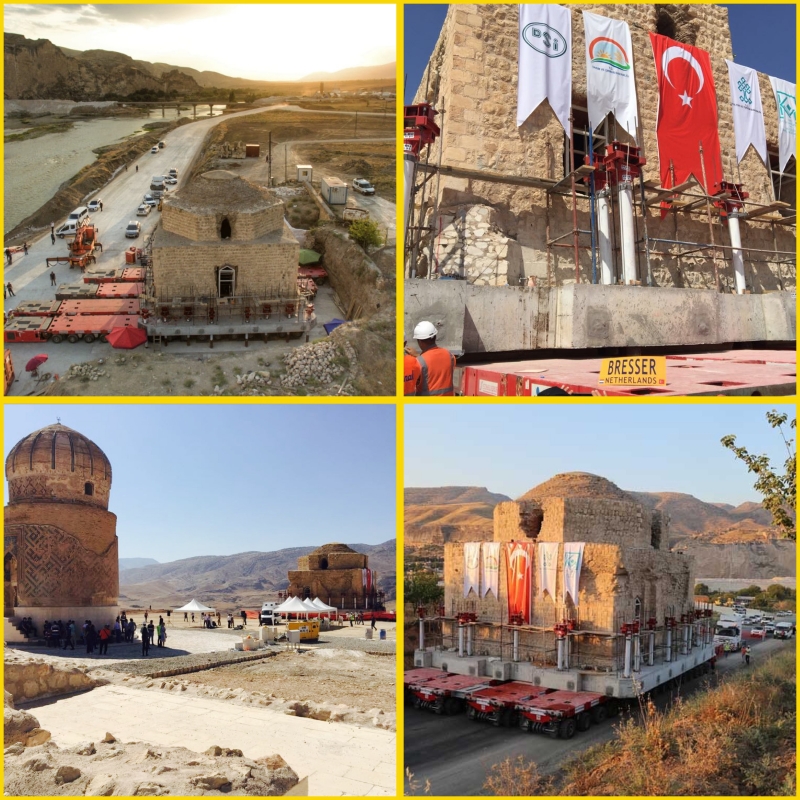
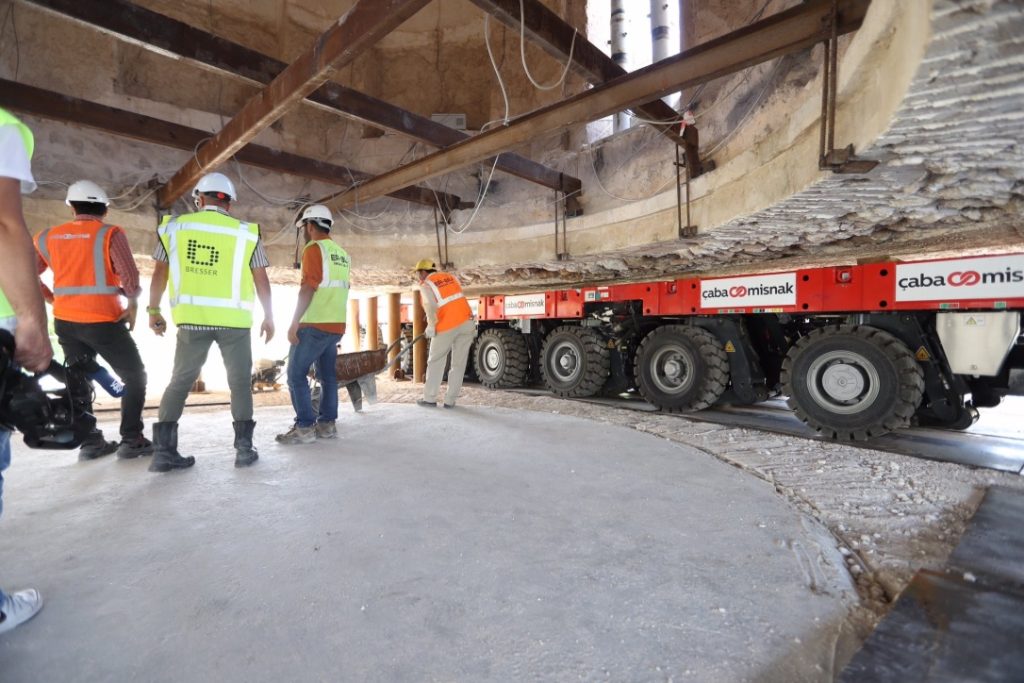
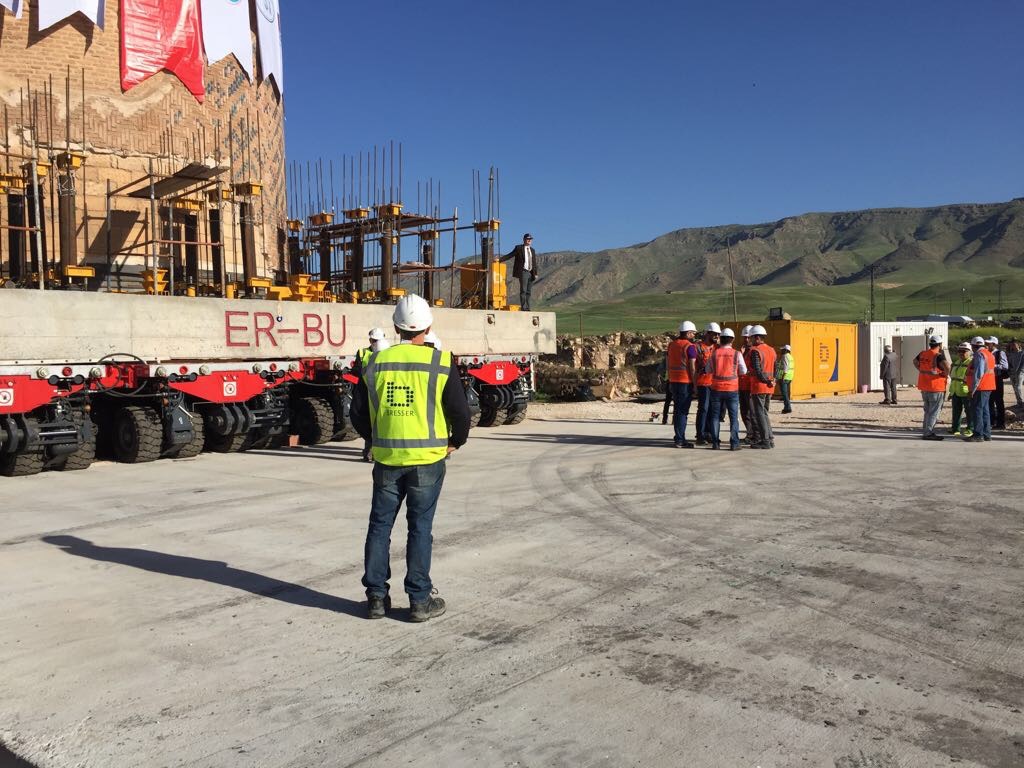
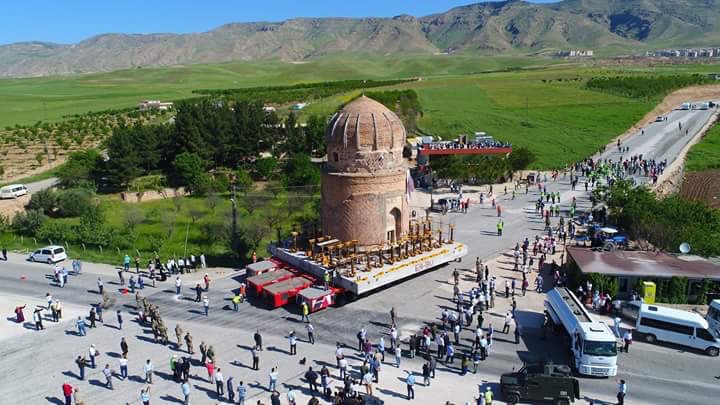
The 800-year-old Artuklu Hamam in Hasankeyf, Turkey, has been successfully jacked up and relocated over a distance of 2.7 km to a higher situated cultural park. This remarkable monument relocation project demonstrates advanced engineering techniques used to preserve historic structures.

The historic hammam is now positioned near the Tomb of Zeynel Bey, which was relocated by Bresser in May 2017 as part of the same cultural heritage preservation effort.

Relocation to preserve cultural heritage

The cultural heritage of Hasankeyf has long been under threat due to the construction of a large dam, which risks flooding the historic area. Through the relocation and restoration of monuments, these invaluable heritage sites have been preserved for the future.

Monumental Dutch market master’s house relocated

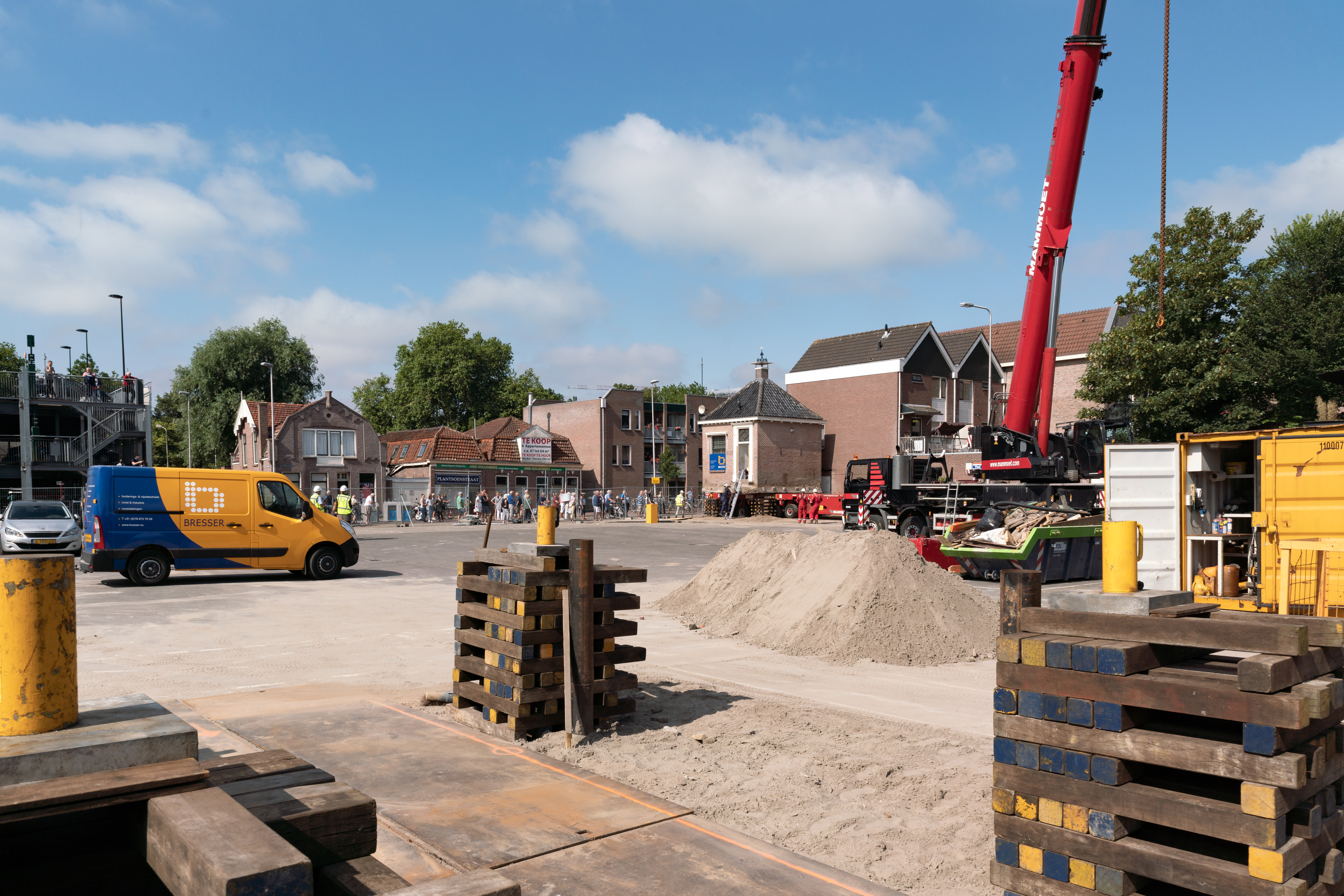
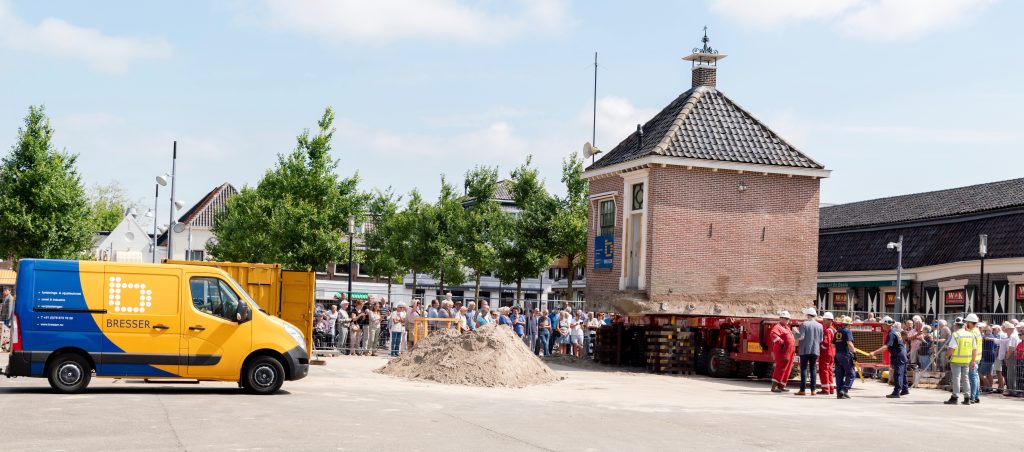
For decades, the Market Master’s House in the dutch town Purmerend played a central role in the city’s market life. In July 2018, this historic building was successfully relocated by Bresser to the other side of the Koemarkt, restoring its prominent role in the city center.

This cultural heritage ‘het Marktmeestershuisje’ from 1910 was moved over a distance of 150 meters to the other corner of the market. This impressive building relocation project was completed in less than 30 minutes, during which the building was also carefully rotated into position.

Heritage on wheels

As a specialist in in re-founding, jacking and relocation, Bresser carried out this technical ‘tour de force’ on behalf of Attica Vastgoed, developer of the new market hall in the centre. Prior to the move, the monument was fitted with a new concrete foundation plate, detached from its original foundation, and jacked up to prepare for transport. On 12 July, Alderman Eveline Tijmstra (Alderman of the City and Monuments) gave the startsignal together with Pieter Dooper (Attica Vastgoed) and Henry van Langeveld (Bresser). People could follow the relocation at a safe distance.

The 52-ton stone house was transported over a distance of 150 meters using self-propelled modular transporters (SPMTs) to the new destination. In the new setting, the market house marks the transition to the second square space for the future market hall. The market master will again use the house and has a view of both squares. In the new situation, the house is completely free and is more visible.

In its new location, the hous once again serves its original function and offers clear views of both market squares. The relocation not only improves the visibility but also supports the preservation of cultural heritage in Purmerend, ensuring the historic landmark remains part of the urban landscape for future generations.

Sharing insights on doing business internationally at Chamber of Commerce event

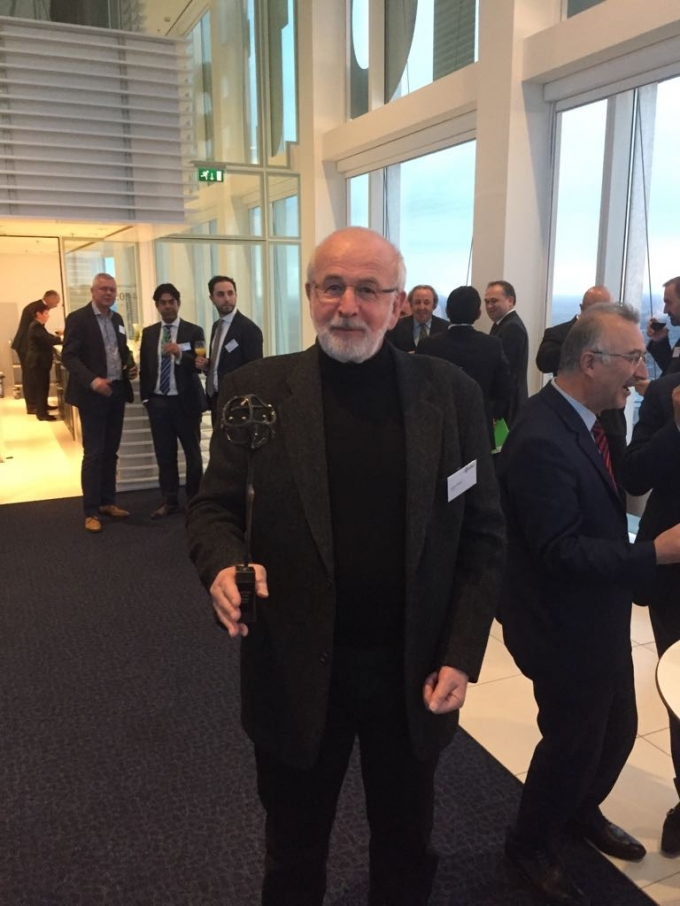
Doing business in Turkey? Director Taco Bresser shared his insights during the national Chamber of Commerce event on international business, #Road2TheWorld.

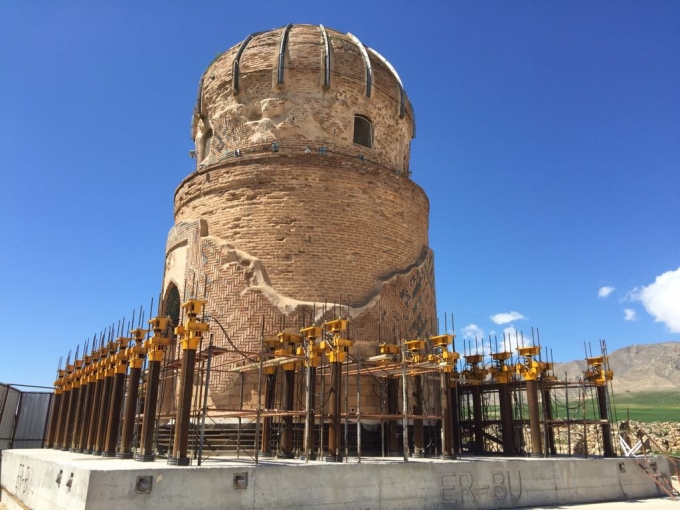
The occasion was Bresser’s recent work in Turkey, where the company was involved in the relocation of valuable cultural heritage. In southeastern Turkey, a medieval tomb had to be moved to make way for the construction of a dam. Thanks to Bresser’s knowledge and expertise, this monument was successfully relocated and preserved for future generations.

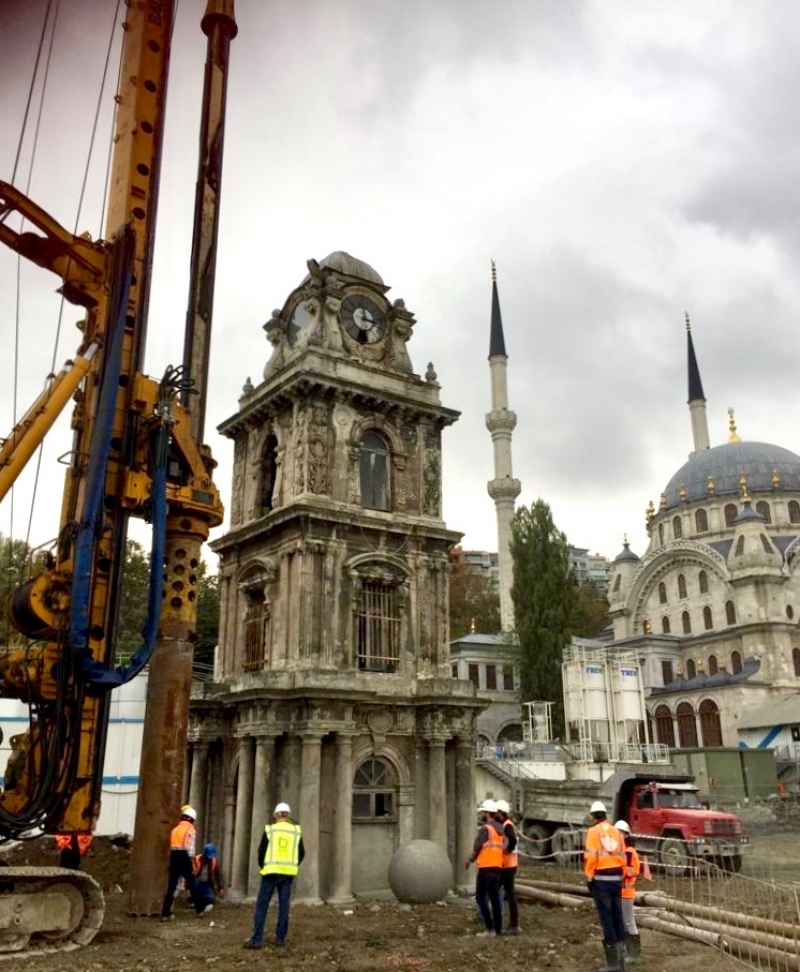
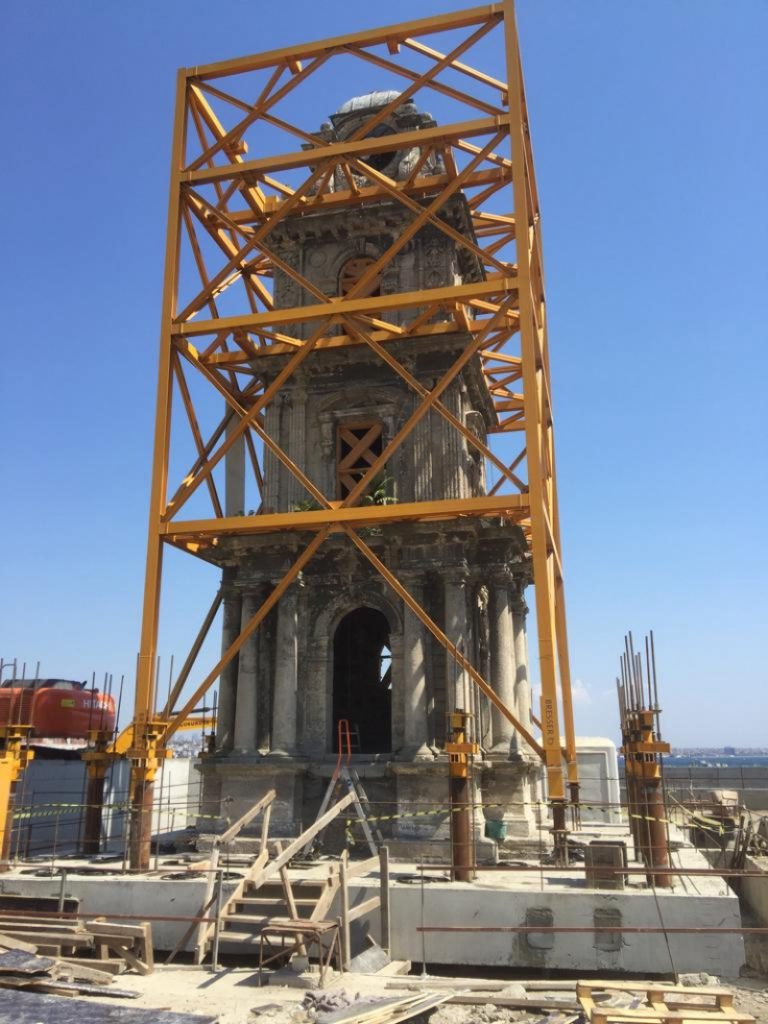
In addition, Bresser is also active in Istanbul, where work is underway to preserve a centuries-old clock tower. These projects underscore Bresser’s international role in protecting and preserving historical heritage.

Medieval tomb in Turkey relocated

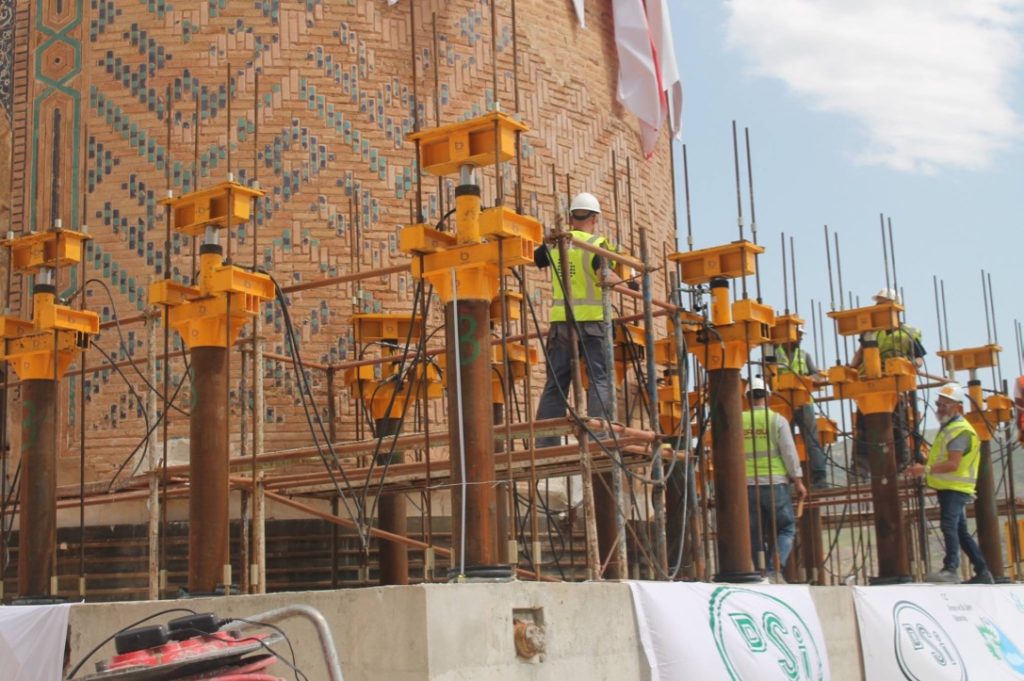
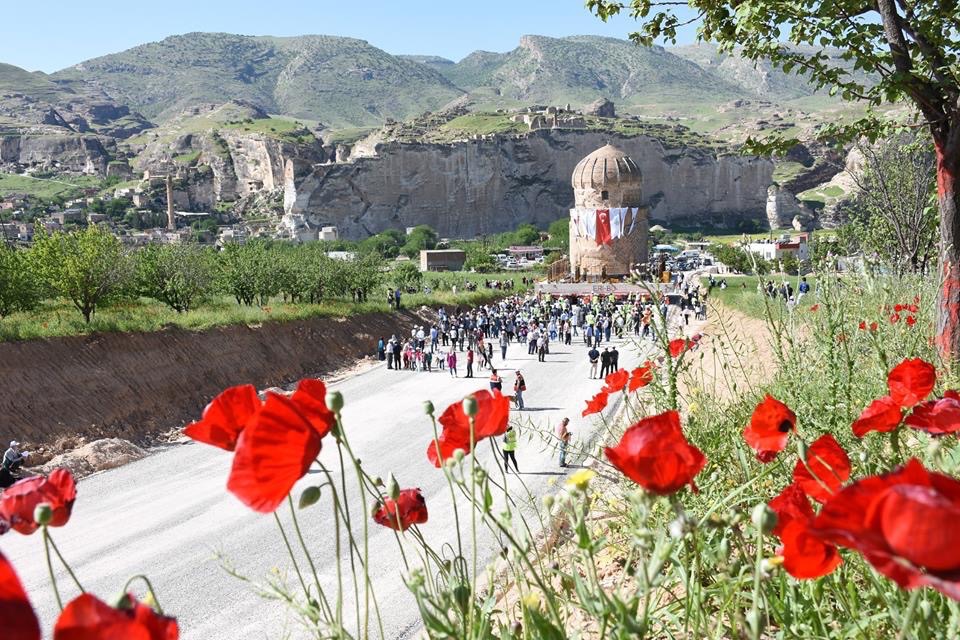
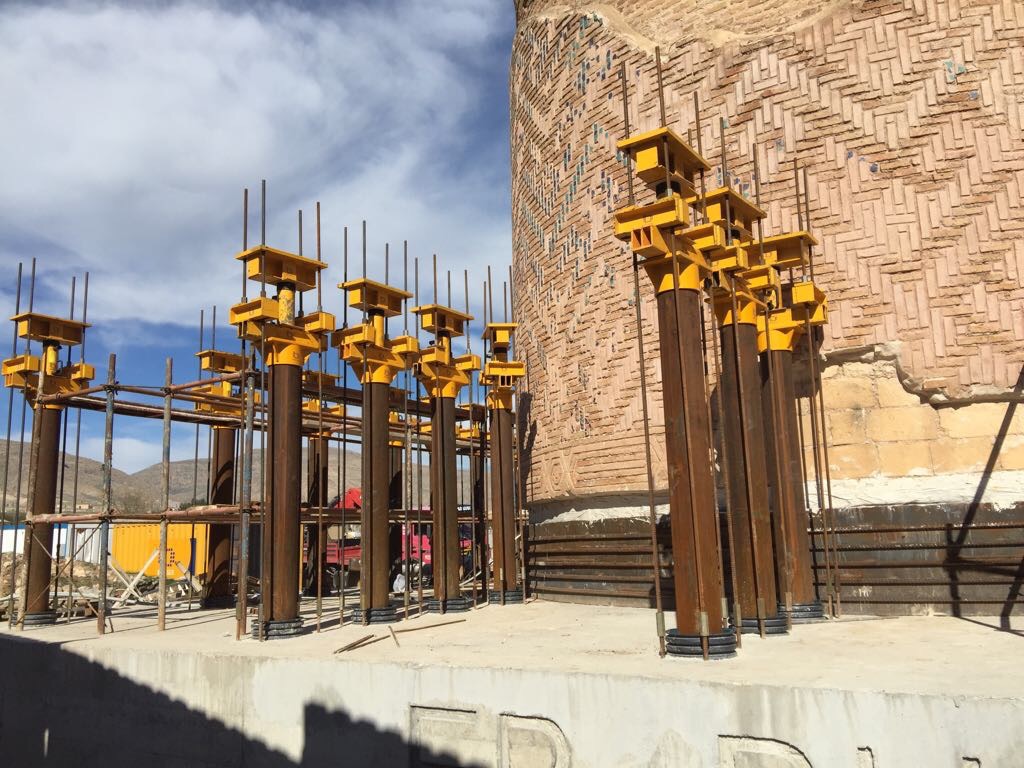
In southeastern Turkey, a medieval monument has been successfully relocated over two kilometers. The 550-year-old tomb in Hasankeyf was in danger of being lost due to the construction of a dam.

To preserve this important cultural heritage, the monument was moved in its entirety over a distance of two kilometers to a new location 65 meters higher. This impressive relocation ensures that the historic structure will be preserved for future generations.

44 meter high Philips chimney relocated

In the Dutch city Roosendaal, Bresser moved a 44-meter-high chimney (450 tons) in one piece over a distance of 450 meters. Thanks to years of effort by former Philips employee Jongmans, the tower was spared from the demolition hammer. The buildings on the former Philips site have recently been demolished to make way for a distribution center. With the exception of the chimney. Commissioned by the municipality of Roosendaal, Bresser moved the entire structure upright to a new location on the side of the site. At this location, Philips’ industrial heritage remains a landmark for the city.

Schok therapy in Groningen (NL): historic rectory made earthquake-resistant

Bresser has successfully made a historic rectory in Garrelsweer, Groningen, earthquake-resistant. To install the innovative seismic solution, the national monument (300 tons) was carefully jacked up by one meter.

This operation created the space needed to install a new earthquake-resistant foundation (base isolation). After completion of the work, the 1931 rectory was safely lowered back into its final position.

By applying advanced engineering techniques, Bresser contributes to the preservation of cultural heritage in earthquake-prone areas. This project ensures that the historic building is protected and future-proof.