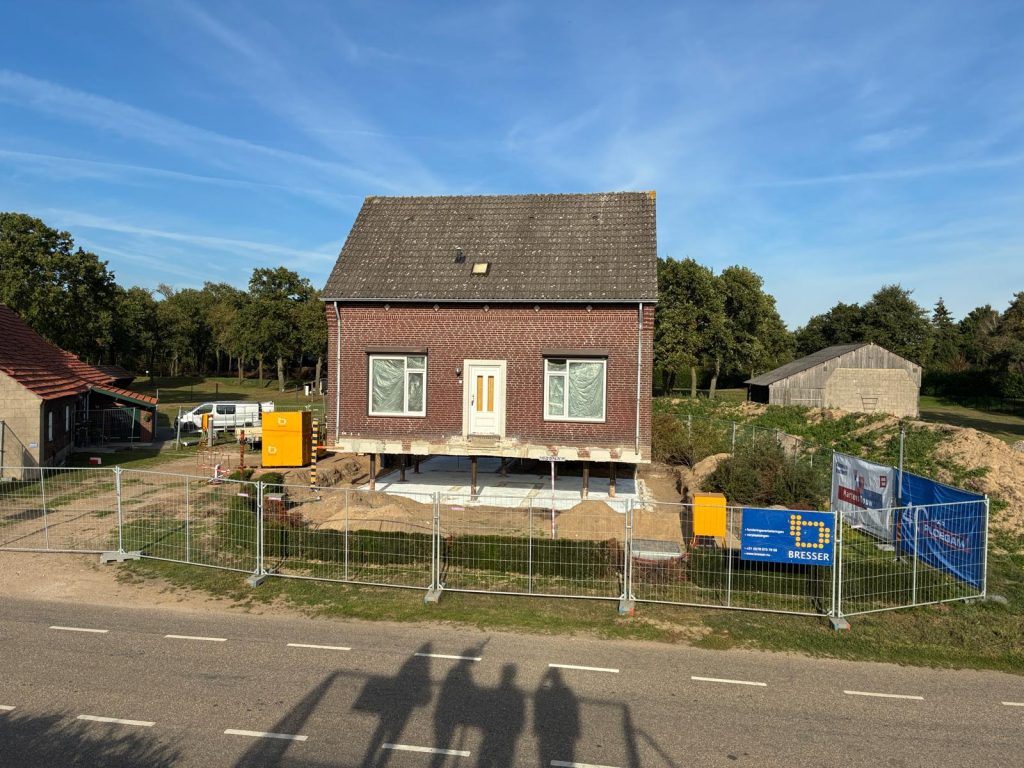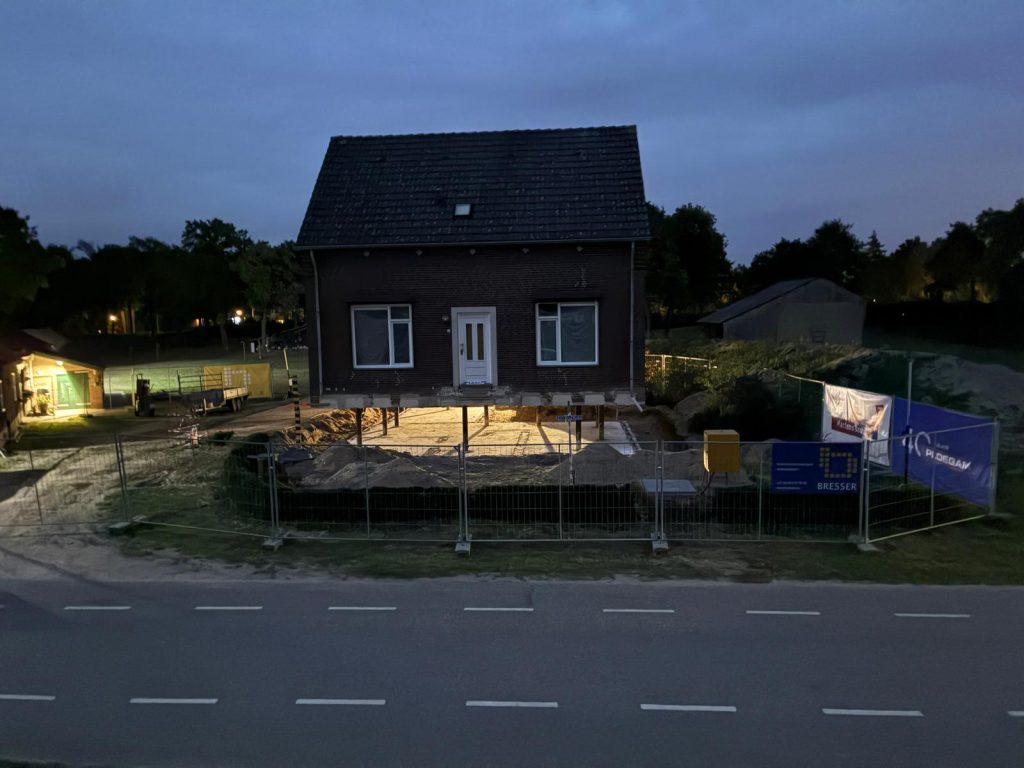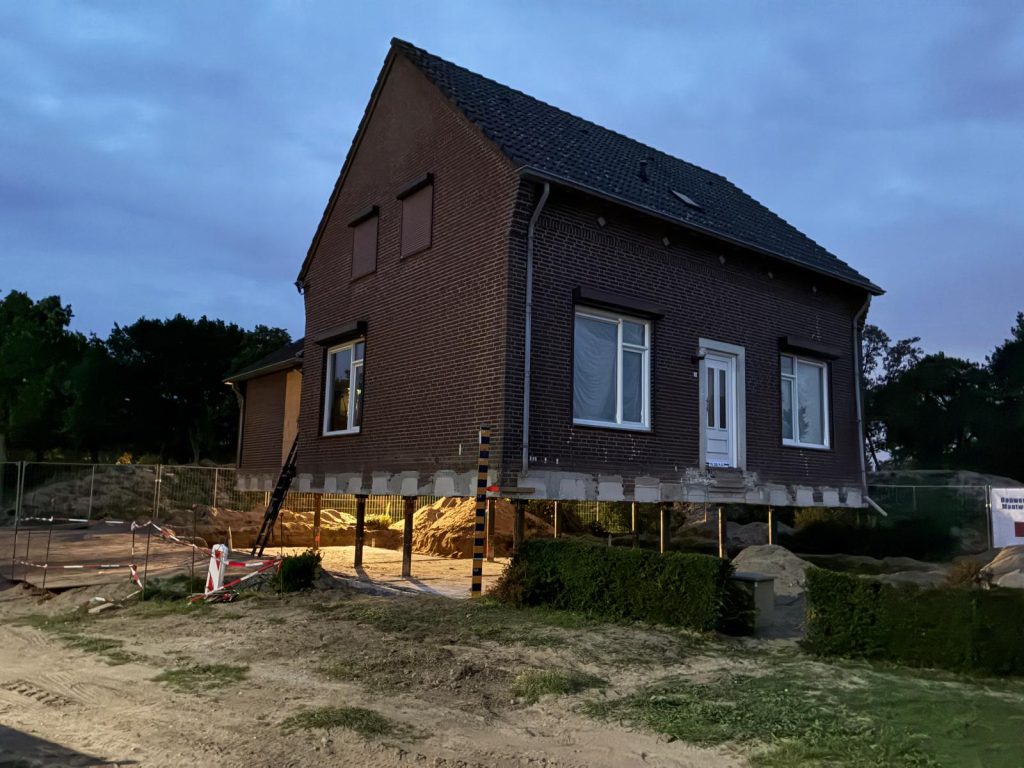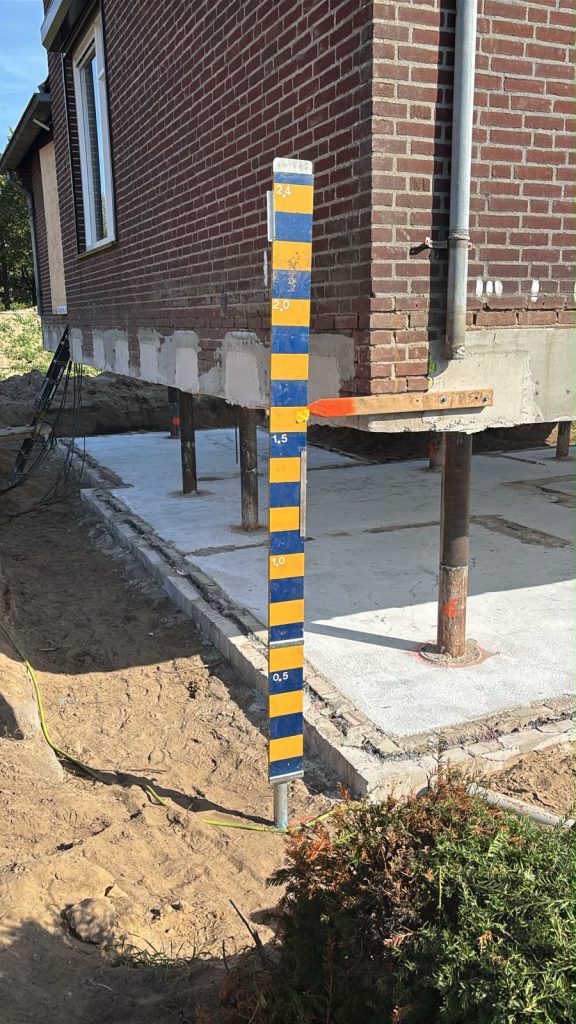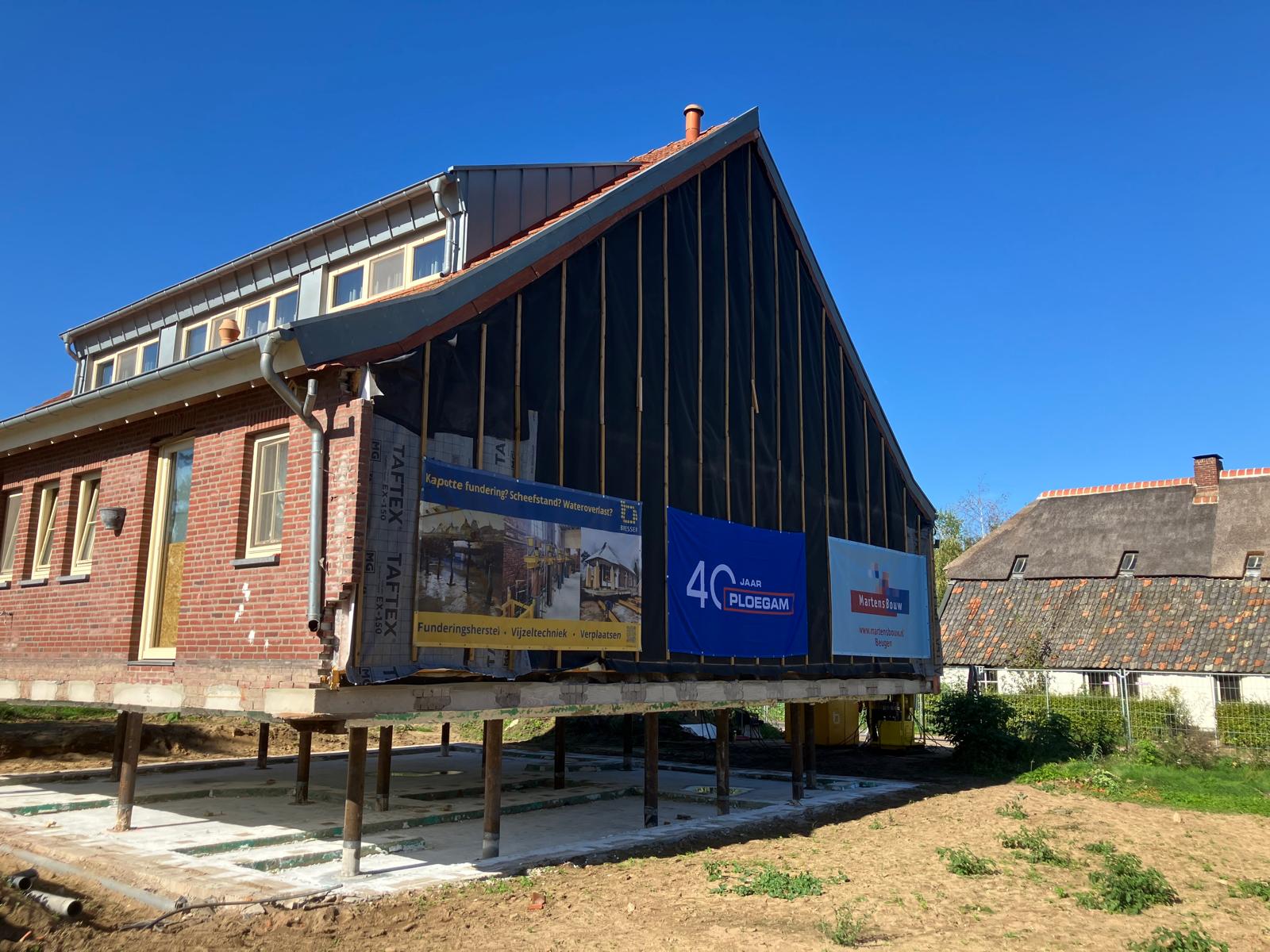
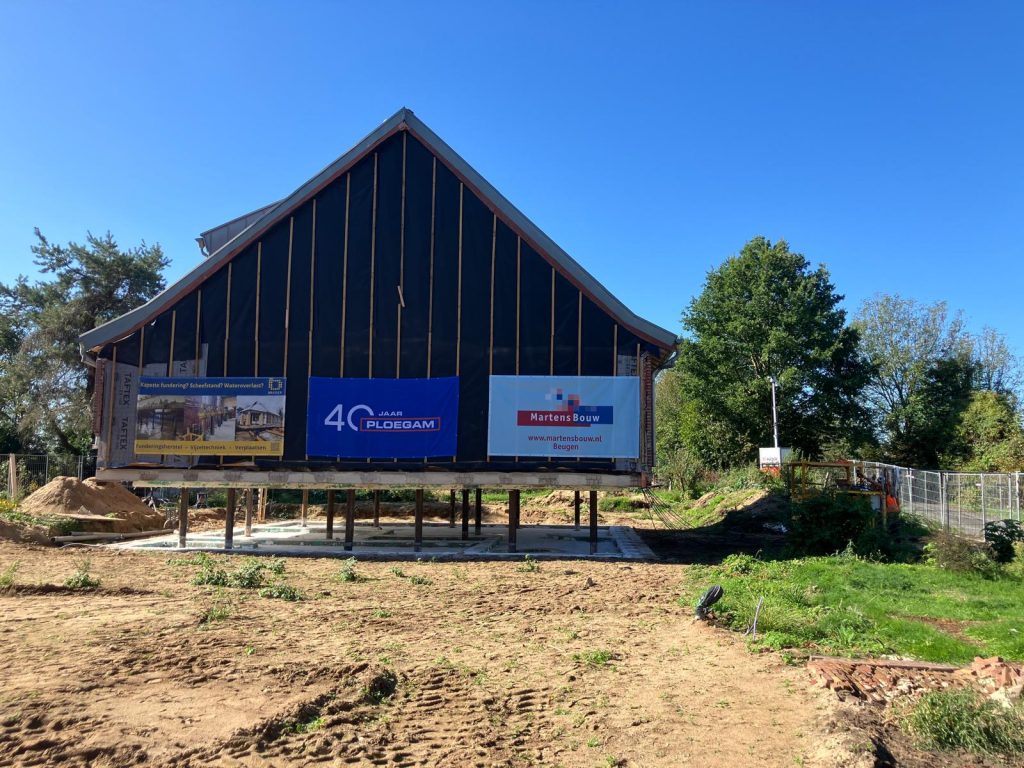
Second home in Well lifted more than 1.5 metres for flood protection

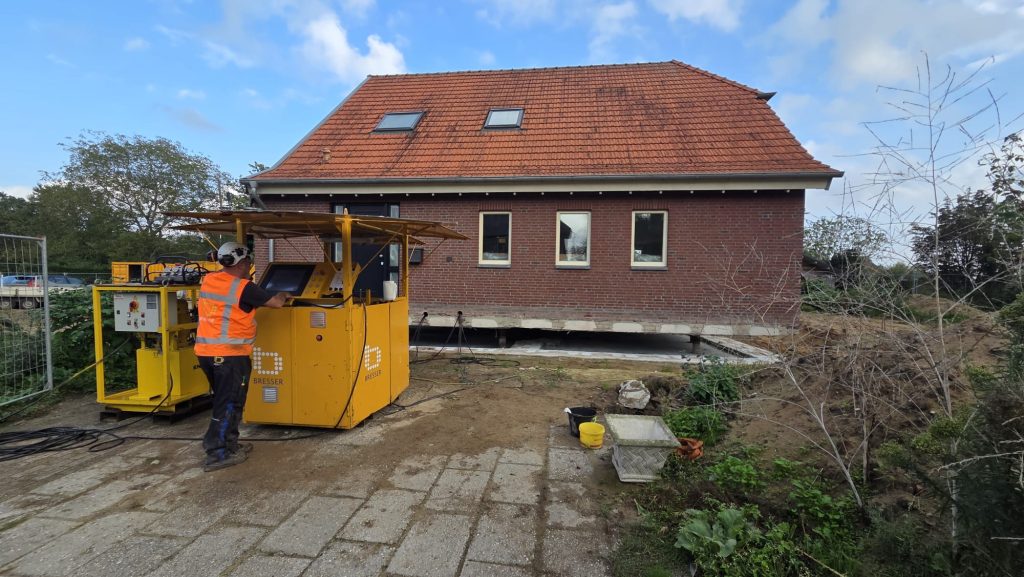
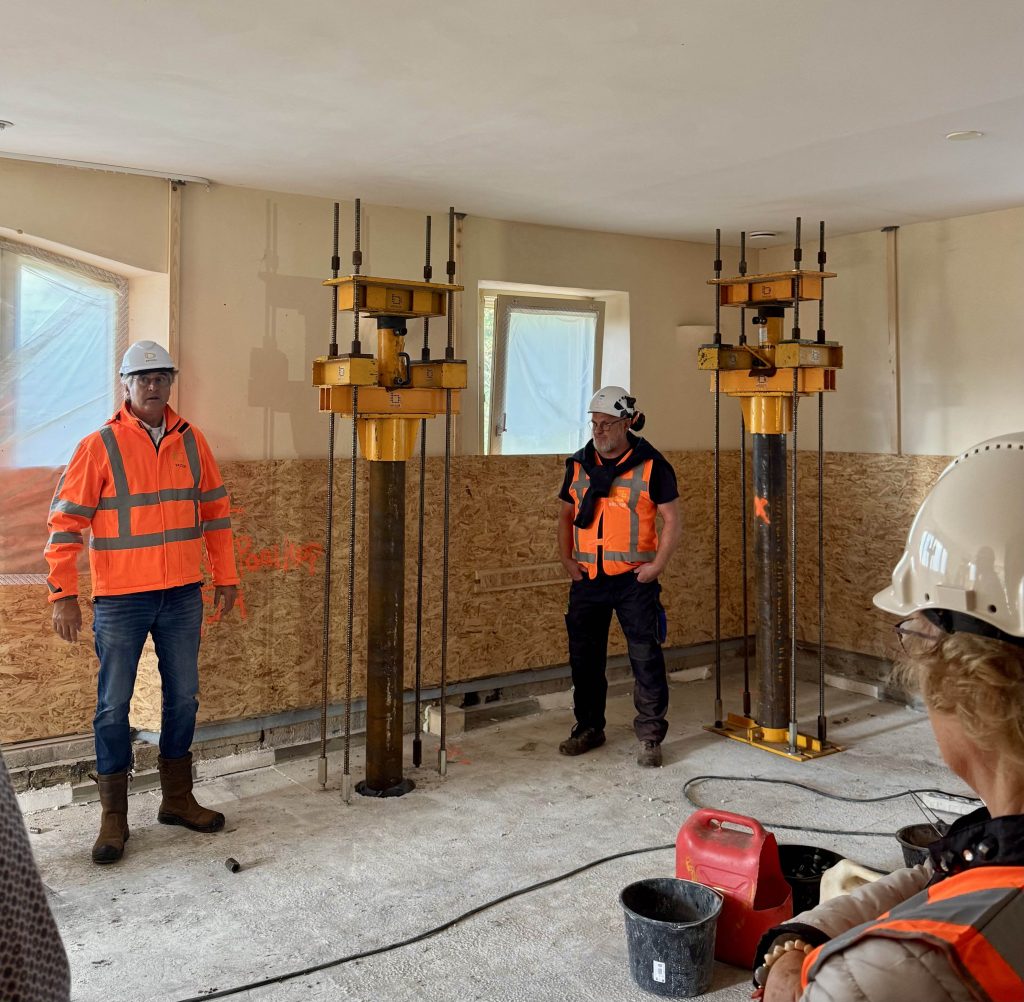
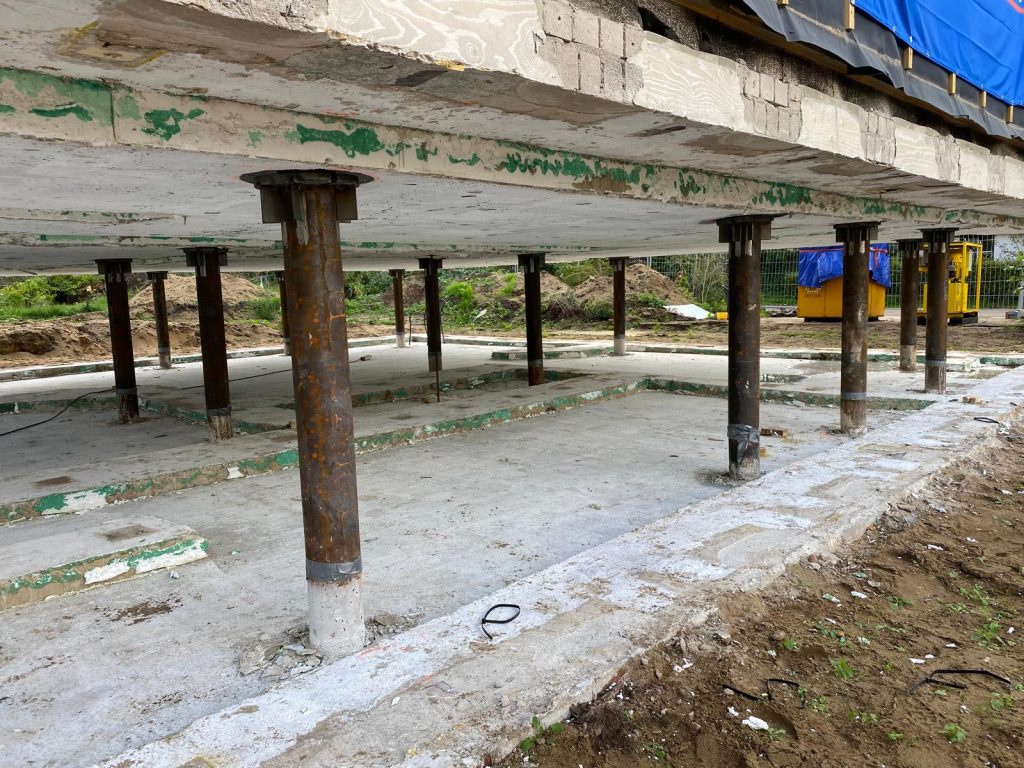
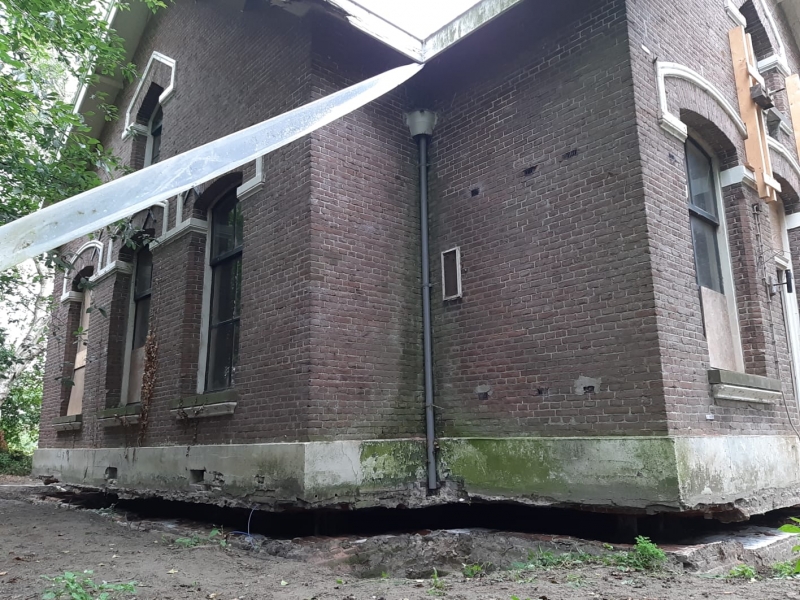
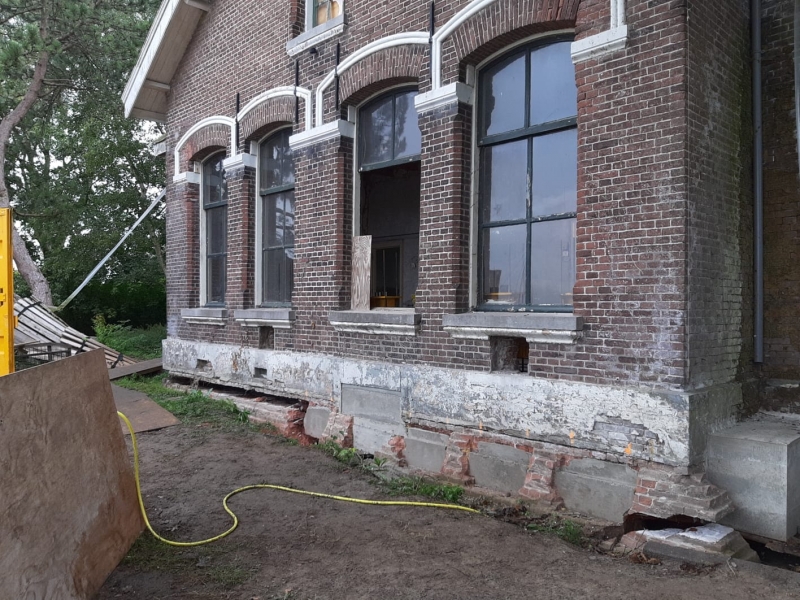
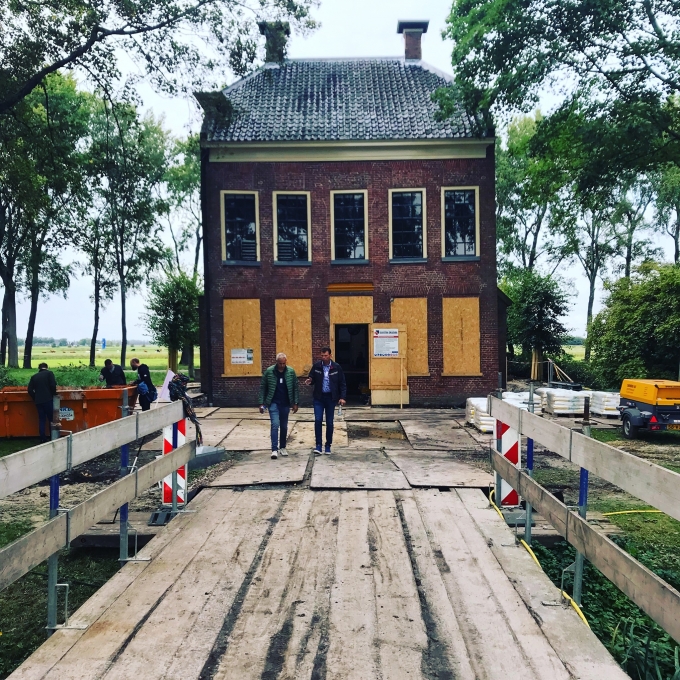
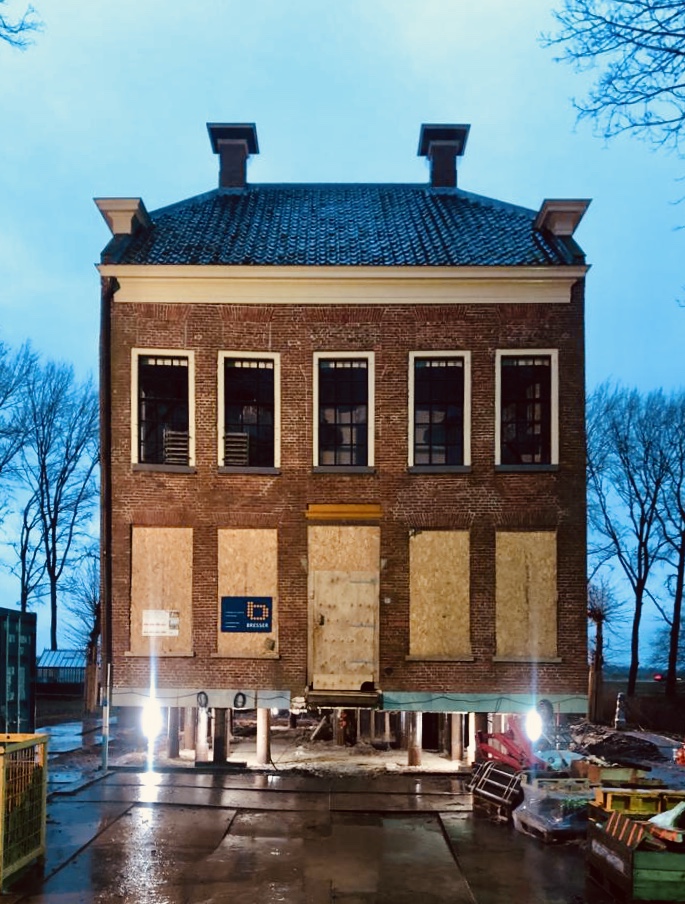
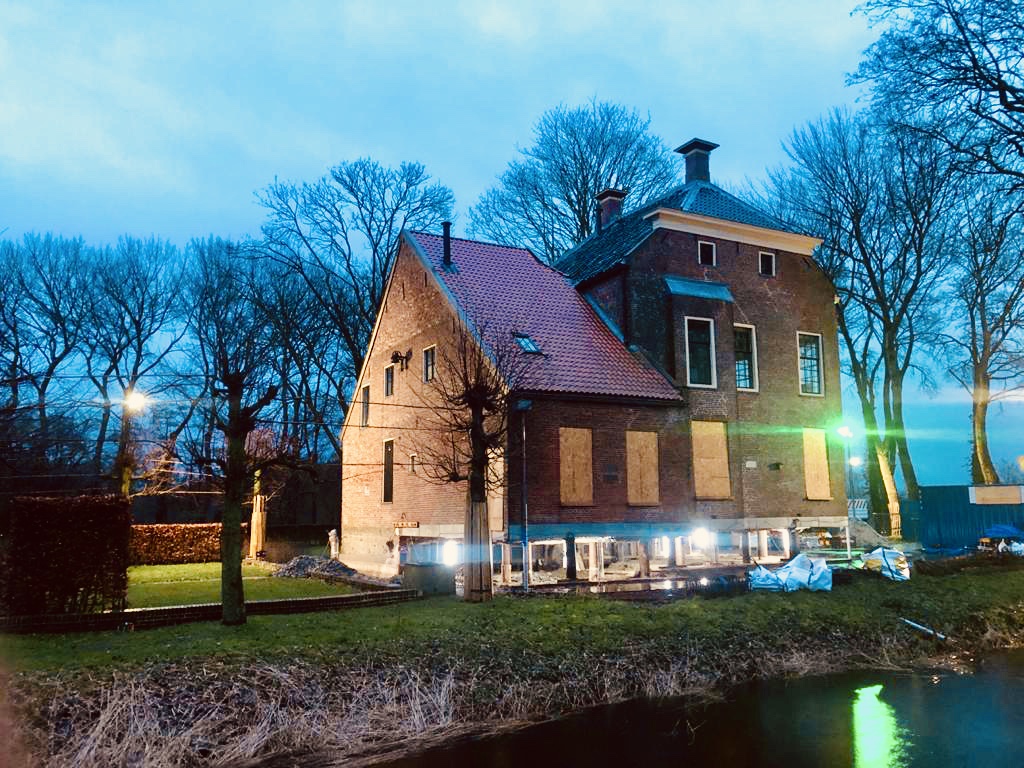
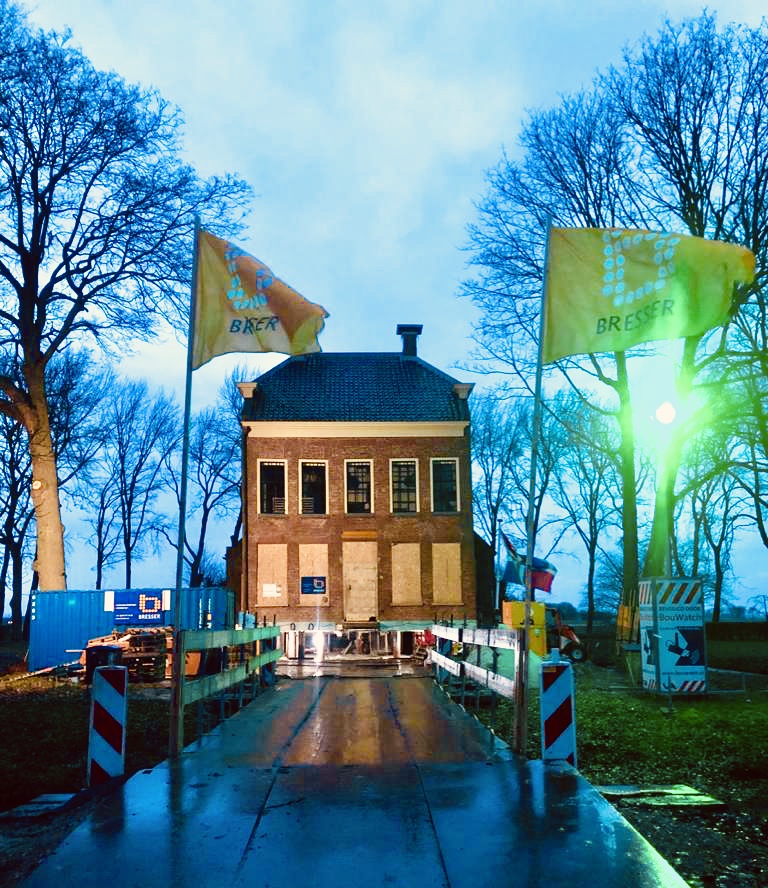
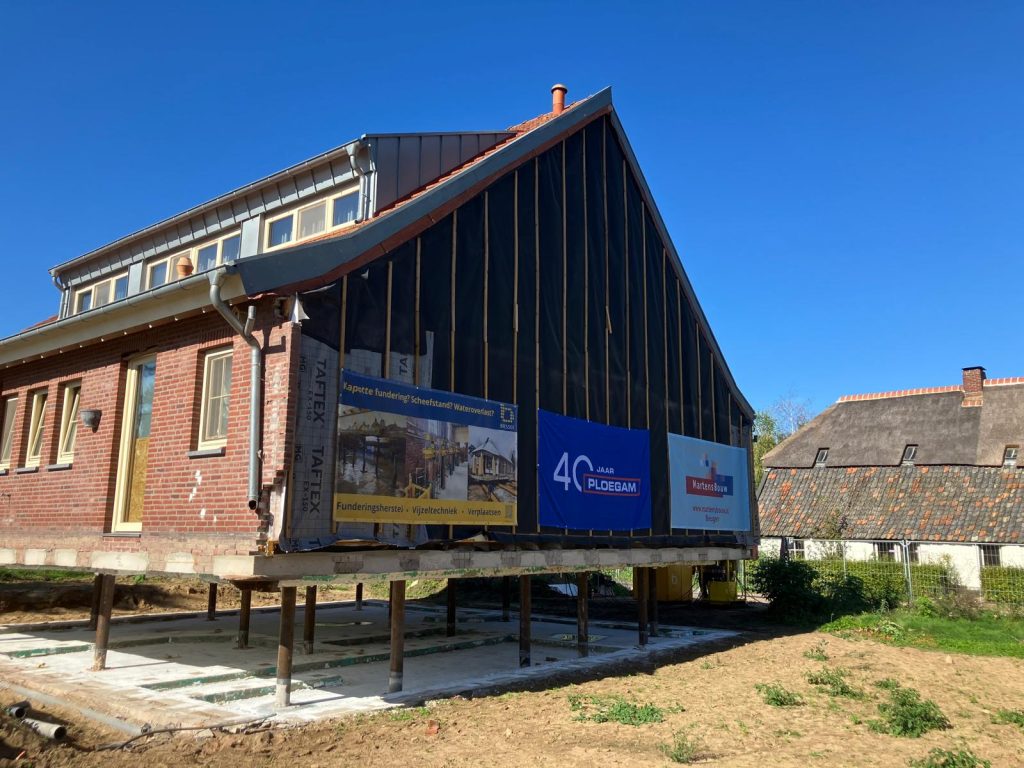
Look, the house is floating! For a moment, it certainly seems that way. The house at De Kamp 3 in the dutch village Well now stands on supports, more than 1.5 metres above ground level. Bresser lifted the property as part of the Groene Rivier Well Area Development Project commissioned by Waterschap Limburg. One month earlier, the house at De Kamp 12 underwent the same remarkable operation (see timelapse). Next year, the farmhouse at De Kamp 10 will also be raised.

Video: PJP Filmstudio

The three homes are being elevated to provide better protection against future flooding. The project forms part of the Groene Rivier Well Area Development Project led by Waterschap Limburg. Thanks to this specialist house-lifting operation, residents can continue living in their familiar homes along the River Meuse while benefiting from enhanced flood protection for the future.

The lifting works at De Kamp are being carried out in close cooperation with residents, the client and project partners. Ploegam is currently constructing the raised earth mounds around De Kamp 3 and De Kamp 12 and will build an elevated access road after De Kamp 10 has been lifted, ensuring all three properties remain accessible. Martens Bouw will be responsible for the internal finishing works of the homes in the coming months.
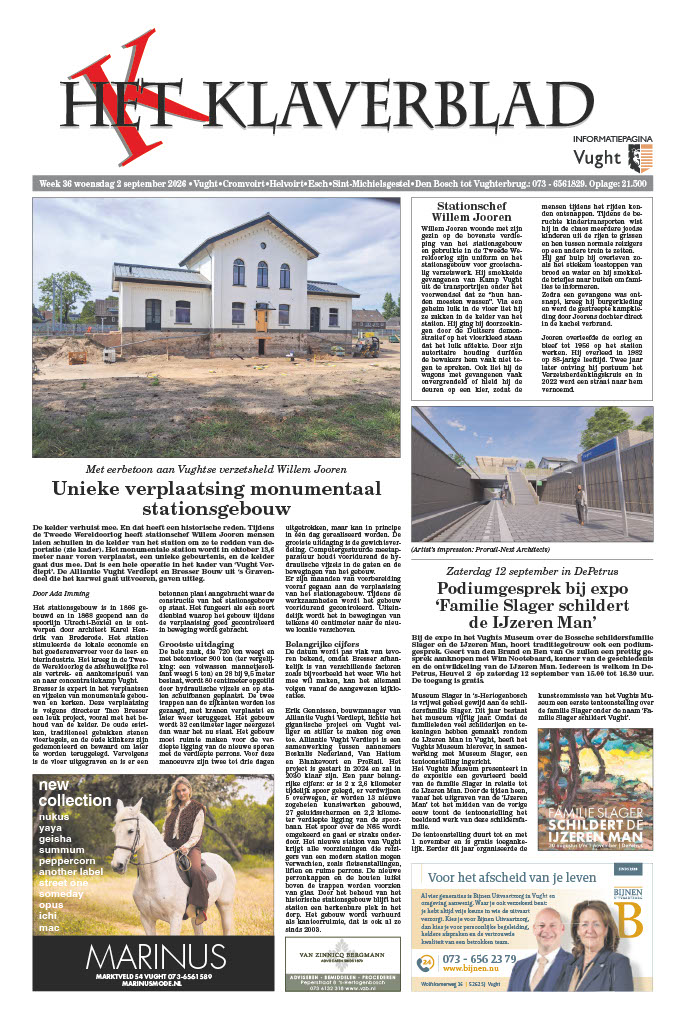
Historic railway station Vught to be relocated 13 metres

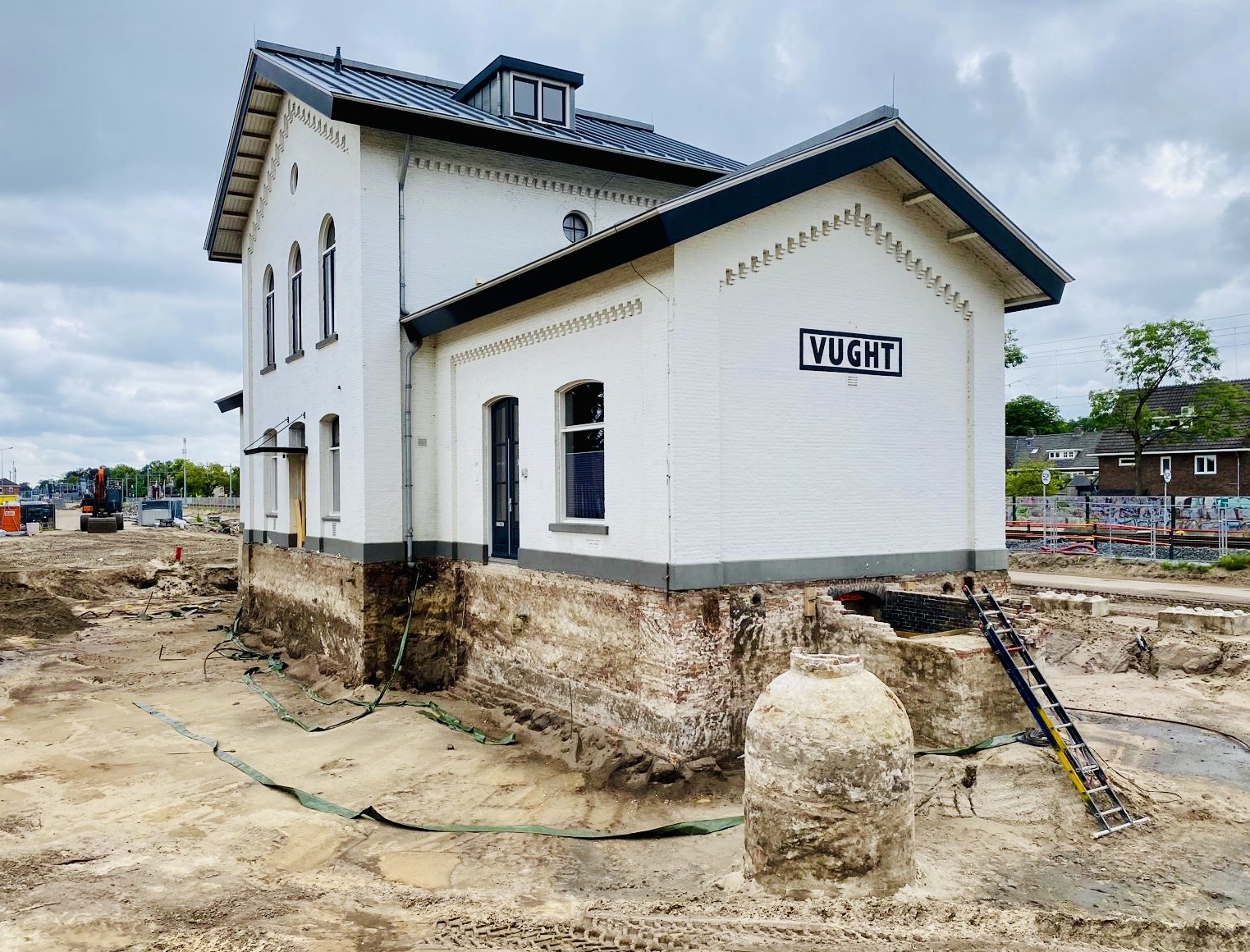
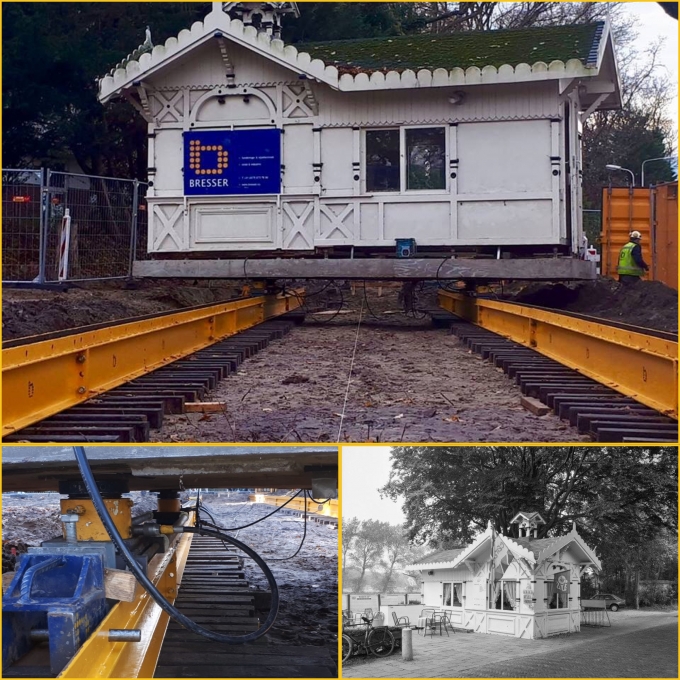
This autumn, Bresser will relocate the historic station in the Dutch village Vught 13.6 metres towards the town centre using a specially engineered sliding system. The station’s historic cellar will move along with the building. The relocation is necessary to make way for the sunken railway alignment being constructed in the village. By preserving and relocating the station building, this important landmark will remain a recognisable feature within the new station area.

The historic station building in Vught has stood on this site for more than 150 years and has witnessed a remarkable history. The location will soon accommodate the new platforms of Vught railway station. Relocating the building preserves an important piece of Dutch railway heritage while creating space for the construction of the new station.

Millimetre by millimetre

Months of preparation are required before a building relocation of this scale can take place. Every project begins with extensive investigations and a carefully developed execution plan. For this relocation, Bresser conducted detailed assessments of the station building, its historic cellar structures, and the bearing capacity of the subsoil.

Based on these findings, comprehensive engineering calculations and a relocation strategy were developed. On the day of the move, the station building will be transferred step by step to its new location using a specially designed transport structure, sliding tracks and hydraulic jacking systems.
The new station will offer all the facilities expected of a modern transport hub, including bicycle parking, lifts and spacious platforms. New platform canopies and the timber canopy above the stairways will feature glass elements. The platforms themselves will be situated below ground level. The new station square will provide space for greenery, meeting areas, and a pedestrian and cycling connection between East and West Vught. By retaining the historic station building, the station will continue to be a familiar and recognisable place within the community.
See history in motion

The relocation is currently scheduled for late October. The exact date will only be confirmed shortly beforehand, as the operation depends on several factors, including weather conditions. The relocation is a unique event, and members of the public will be welcome to watch from designated viewing areas. Further information about the date, timings and accessibility will be announced through the project website and other communication channels.

Related news articles

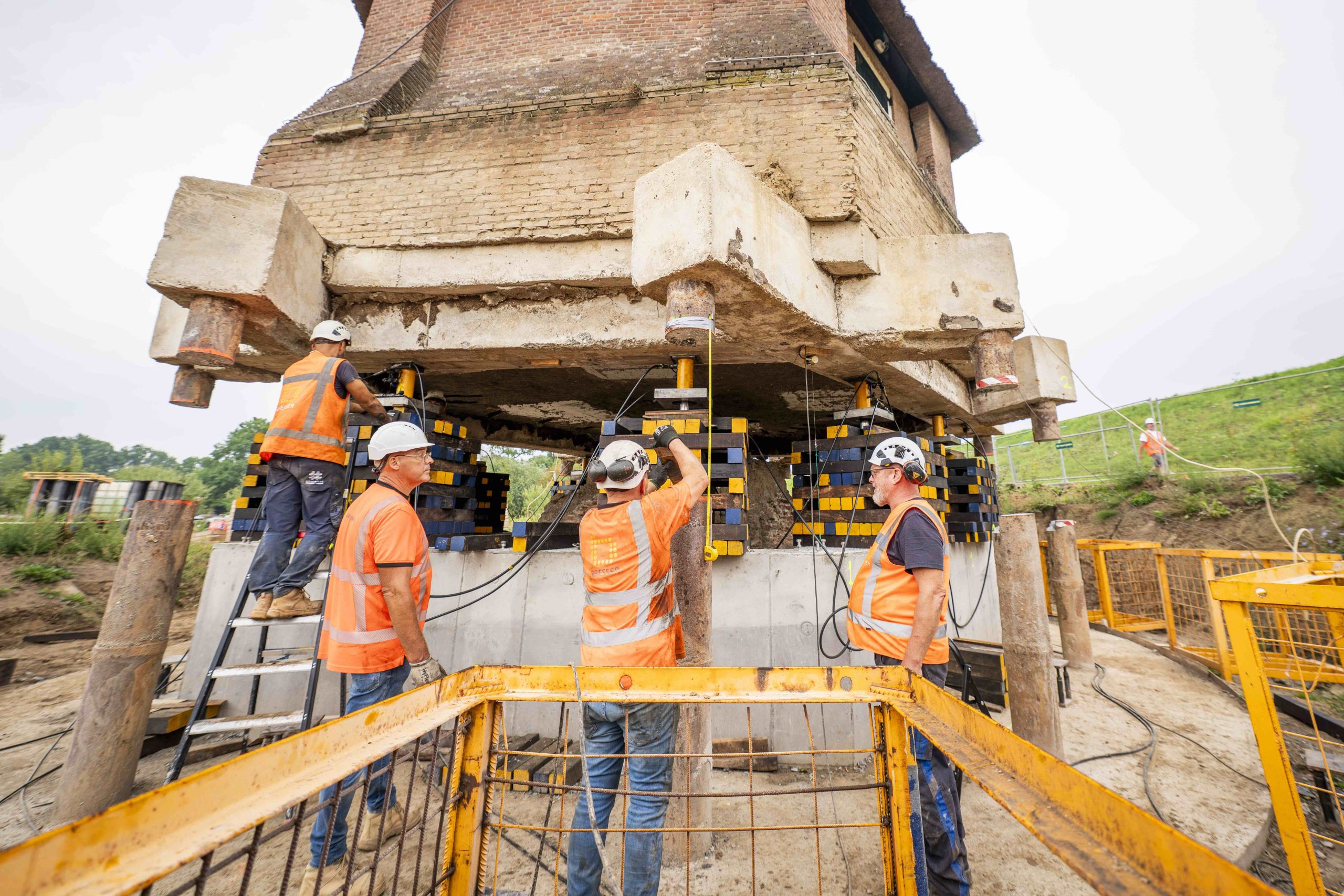
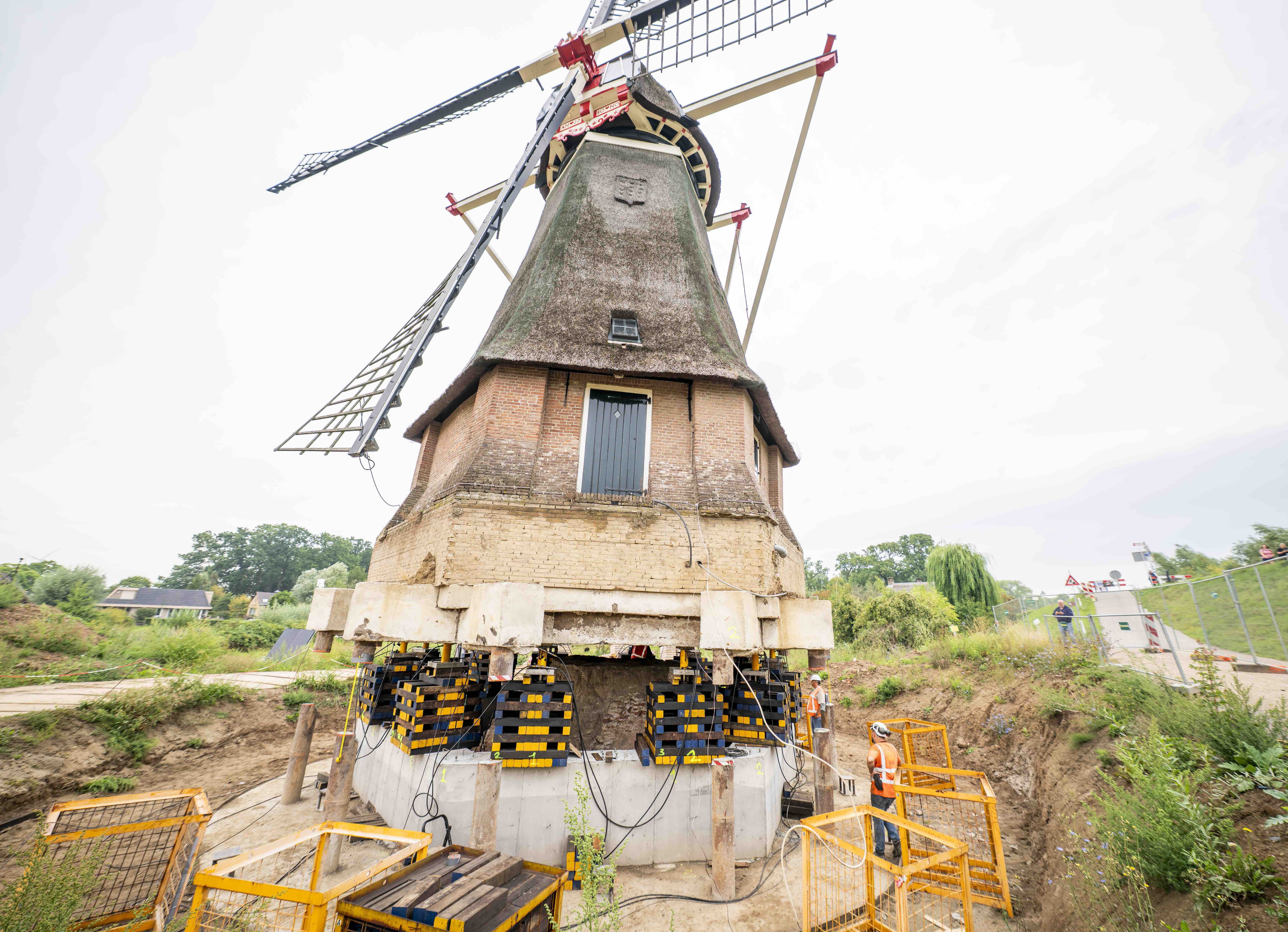
280-ton grain mill in Waardenburg raised 80 cm

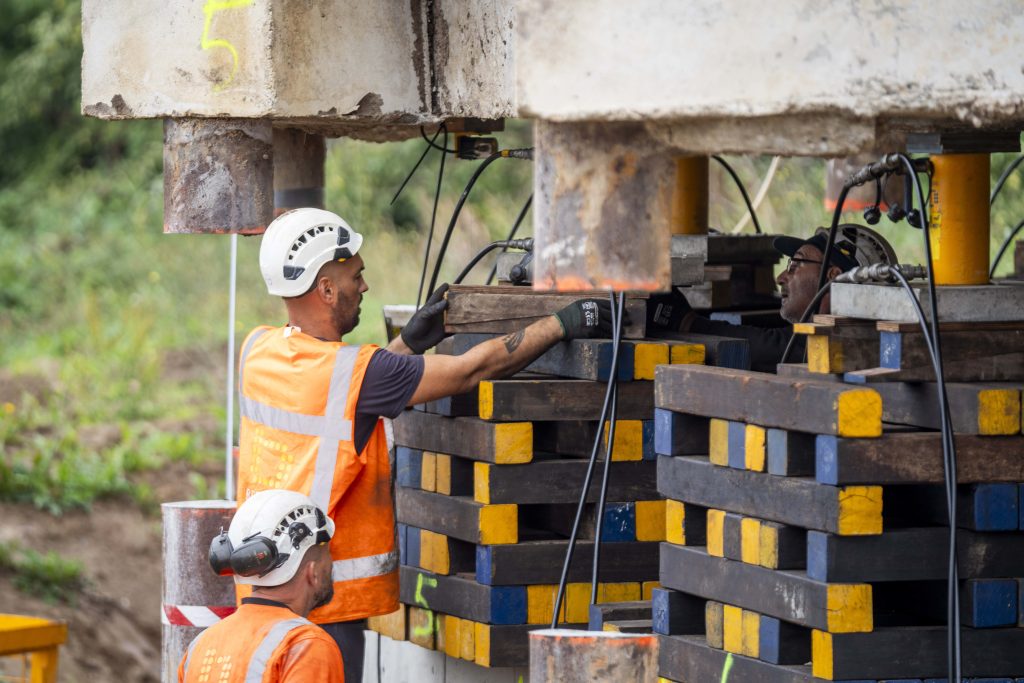
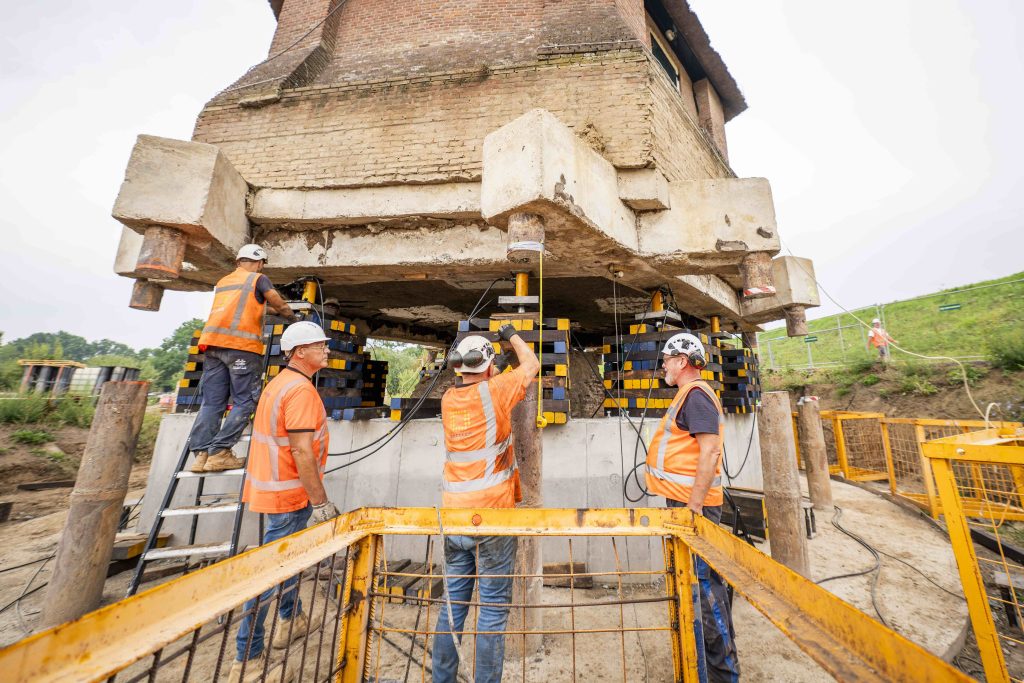
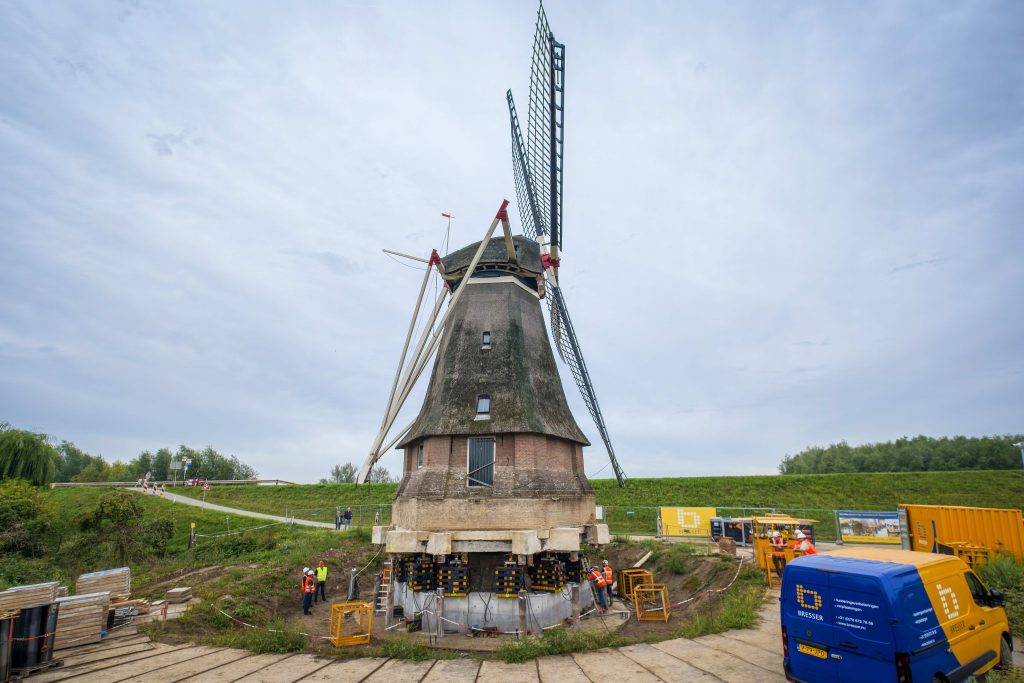
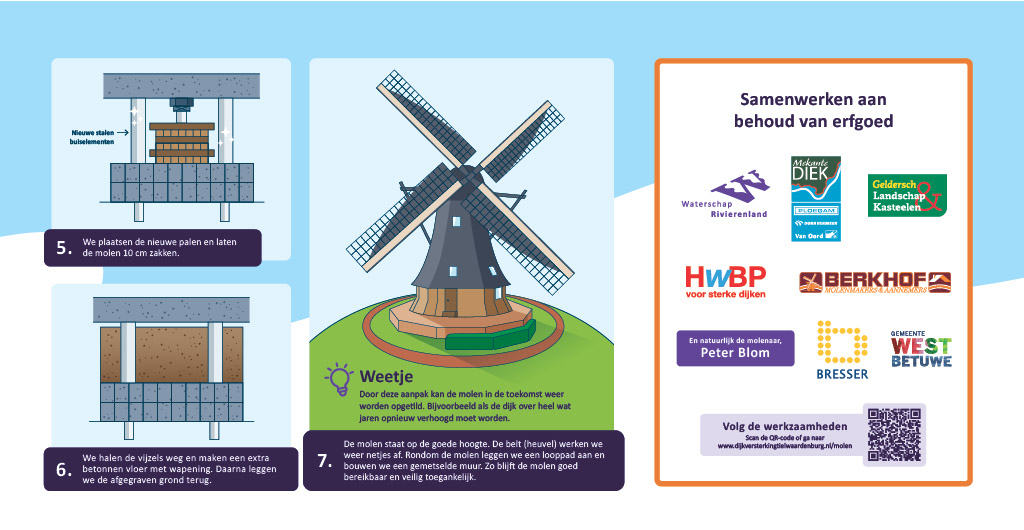
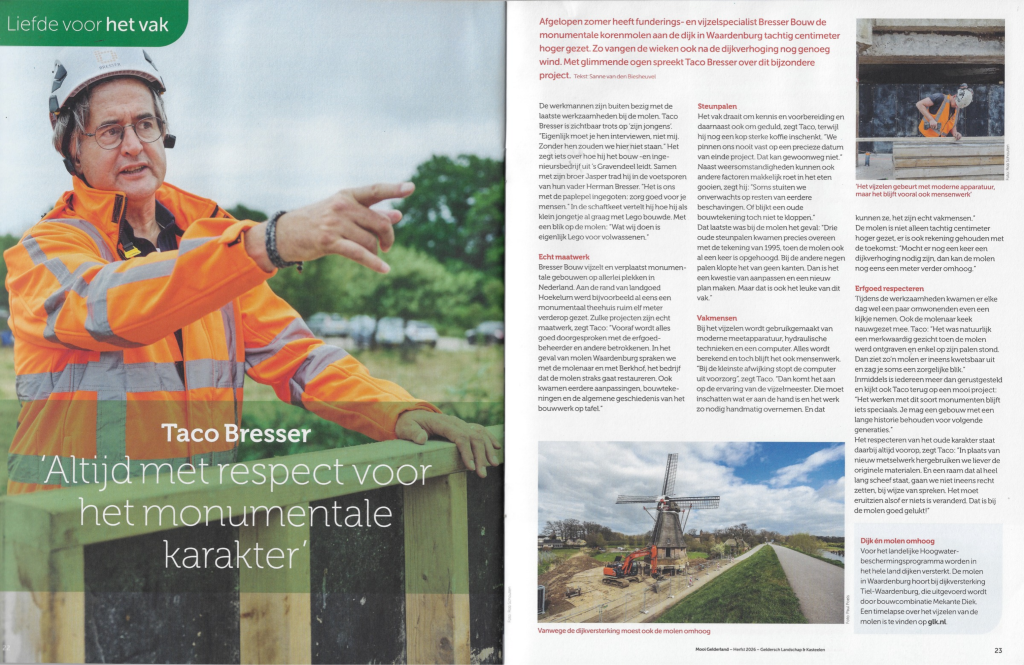
The nearly 250-year-old grain mill in the Dutch village of Waardenburg, weighing approximately 280 tonnes, has reached its highest position ever. Using 12 hydraulic jacks, Bresser carefully lifted this unique heritage structure step by step.

Video credits: Waterschap Rivierenland

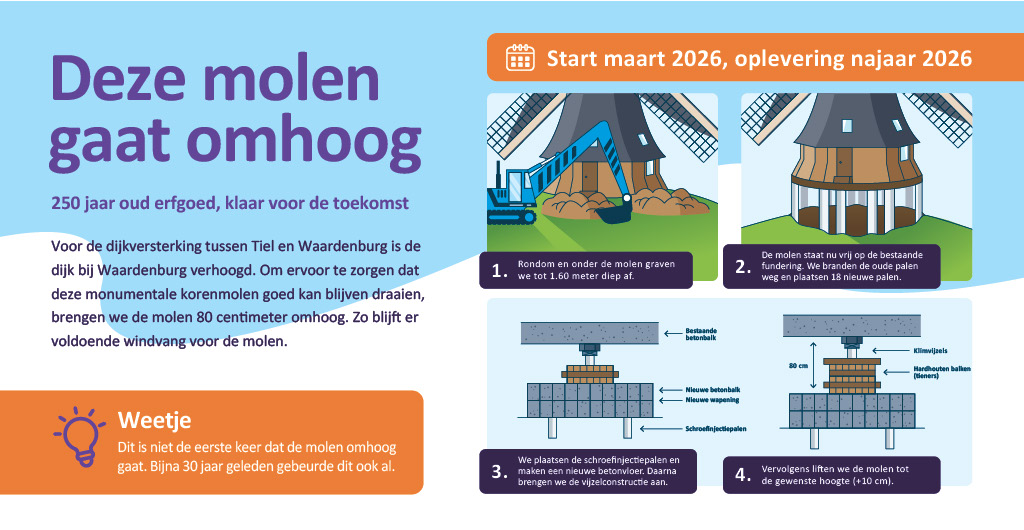
At a rate of approximately 10 centimetres per hour, we raised the mill over the course of two days to a temporary height of 90 centimetres above its original position. In the coming days, the supporting structure will be completed. The mill will then be lowered by 10 centimetres to its final elevation, leaving it permanently 80 centimetres higher than before.

Why was the mill raised?

As part of the Tiel-Waardenburg dike reinforcement project, the flood defence has been raised. Without intervention, the mill would capture less wind, affecting its operation. By permanently elevating the monument by 80 centimetres, the wind environment around the mill is preserved, ensuring that the mill can continue to operate in the future.

The two-day jacking operation followed an extensive period of preparation and engineering. During the project, it became apparent that the existing foundation differed from the original drawings. As a result, the mill was provided with a new foundation supported by 18 screw injection piles.

And for those wondering why the mill still appears slightly tilted: this was a deliberate decision. The mill’s characteristic lean has been carefully preserved as part of its historic character.

Sustainability was also an important consideration. Our jacking control system and hydraulic installation were powered by energy packs, enabling us to work with low emissions and minimal noise.

More than engineering

For us, this project is a perfect example of how engineering expertise, heritage preservation and flood protection can come together in a single solution. We are proud to contribute to making this iconic piece of Dutch heritage fit for the future.

We would like to thank all project partners for their trust and excellent cooperation: Waterschap Rivierenland, Bouwcombinatie Mekante Diek (Ploegam, Van Oord and Ballast Nedam), Geldersch Landschap & Kasteelen, Techniek en Methode, adviesbureau voor uitvoeringstechnieken en erfgoedvraagstukken, Jan-Willem Oome, DST, Hadek, SIN, Molenbouwer Berkhof and Bekker Communicatie (Stephanie Bekker).

📸 Photo credits: Cees van der Wal Fotografie

Mooi Gelderland september 2026

Monumental lock keeper’s house in Veere (NL) straightened out

Team Bresser has successfully jacked up and straightened the monumental lock keeper’s house in Veere. The characteristic building from 1872 had unevenly subsided, requiring careful rectification to restore its stability.

This project was extra special for our colleague Stefan, as it took place in his home region. The regional newspaper PZC covered the project with a video report and an in-depth story about this remarkable job.

Monumental ‘borg’ is made earthquake-proof

Bresser has contribuited to the future-proofing of the beautiful historic house Borg Rusthoven in Wirdum, Groningen. This important piece of Dutch cultural heritage is being upgraded using advanced base isolation technology.

By applying this earthquake-resistant foundation system, the borg will be protected against seismic activity in the future, ensuring the preservation of this unique heritage site.

The regional newspaper ‘Dagblad van het Noorden’ published an insightful article about this special project, highlighting the importance of safeguarding historic buildings in earthquake-prone areas.

Threatened cultural heritage relocated

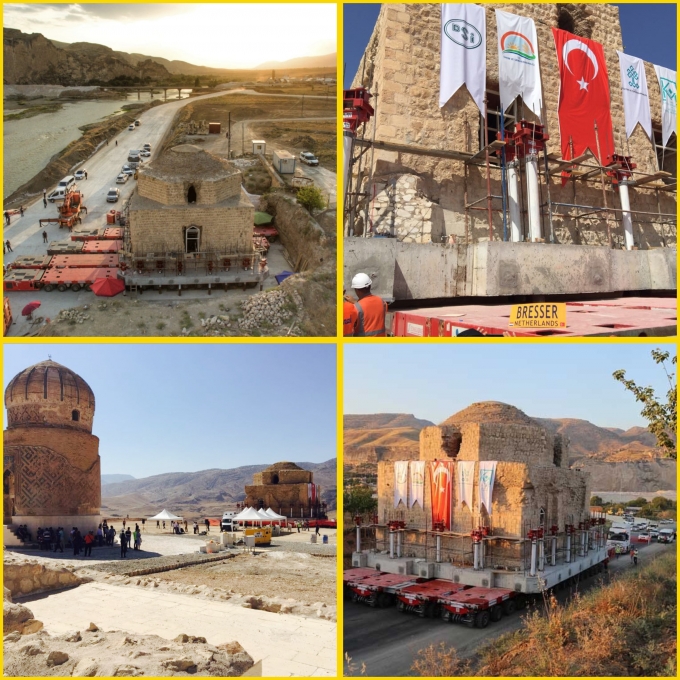
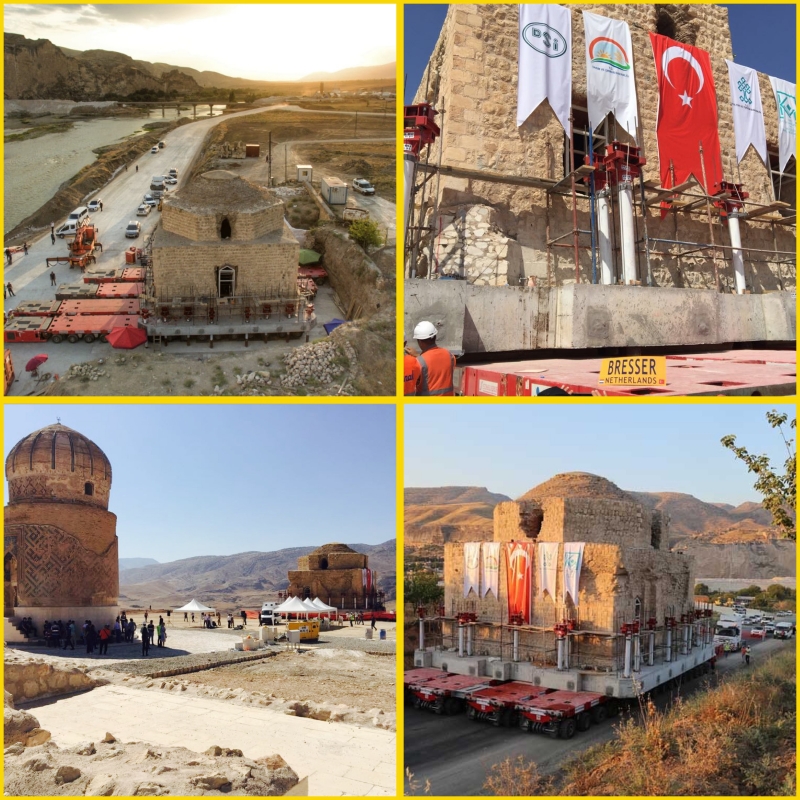
The Imam Abdullah Zawiyah social complex (1249 – 1294) in Hasankeyf, Turkey is successfully relocated over a distance of 2 km to a cultural park. The relocation of the complex, consisting of several sperate objects, takes place in phases. The first object was moved on 10 September. This 800-tons weighing monument is positioned near the recently relocated 800-year-old Artuklu hamam and the 15th century tomb of Zeynel bey, which was relocated in 2017. The associated tower was also successfully moved to the new location the next day. The relocation of the last part of the complex is planned at the end of the month.

The cultural heritage of Hasankeyf is threatened to become flooded as a result of the construction of a dam. By the relocation of this important cultural heritage it can be retained for future generations.

800 year old hamman relocated to new destination

The 800-year-old Artuklu Hamam in Hasankeyf, Turkey, has been successfully jacked up and relocated over a distance of 2.7 km to a higher situated cultural park. This remarkable monument relocation project demonstrates advanced engineering techniques used to preserve historic structures.

The historic hammam is now positioned near the Tomb of Zeynel Bey, which was relocated by Bresser in May 2017 as part of the same cultural heritage preservation effort.

Relocation to preserve cultural heritage

The cultural heritage of Hasankeyf has long been under threat due to the construction of a large dam, which risks flooding the historic area. Through the relocation and restoration of monuments, these invaluable heritage sites have been preserved for the future.

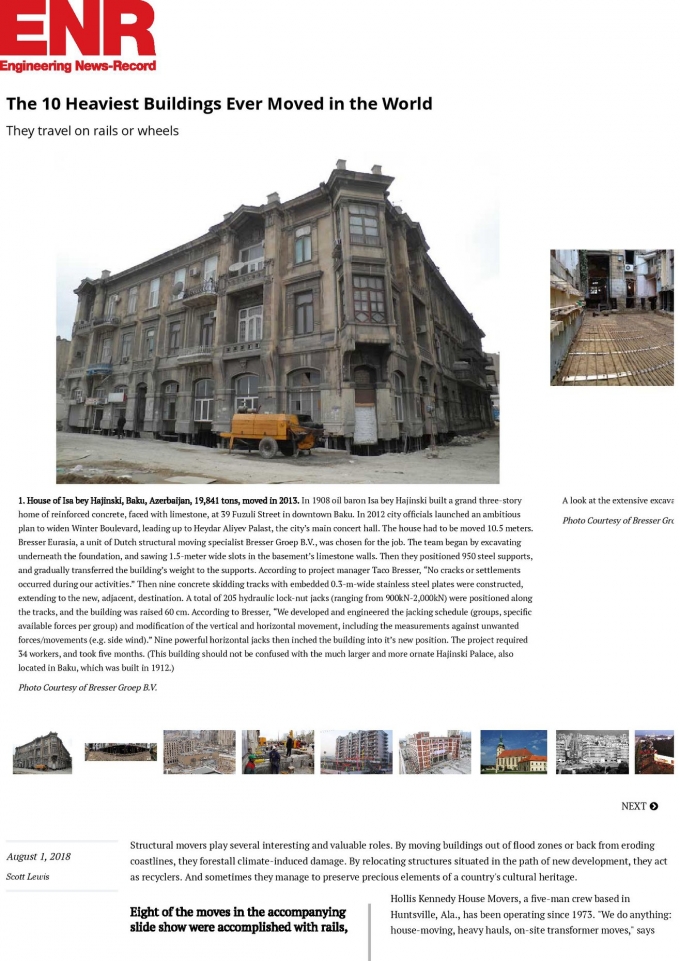
Two Bresser projects in global top ‘The heaviest buildings ever moved’

For more than 35 years, Bresser has specialized in building relocation, structural reinforcement, and heavy transport projects. From houses and commercial buildings to bridges, viaducts, and storage tanks, our team delivers safe, innovative, and sustainable solutions with passion and expertis

By combining knowledge with practical experience, Bresser contributes to sustainable area development and the preservation of valuable cultural heritage, both in the Netherlands and internationally.

Global ranking

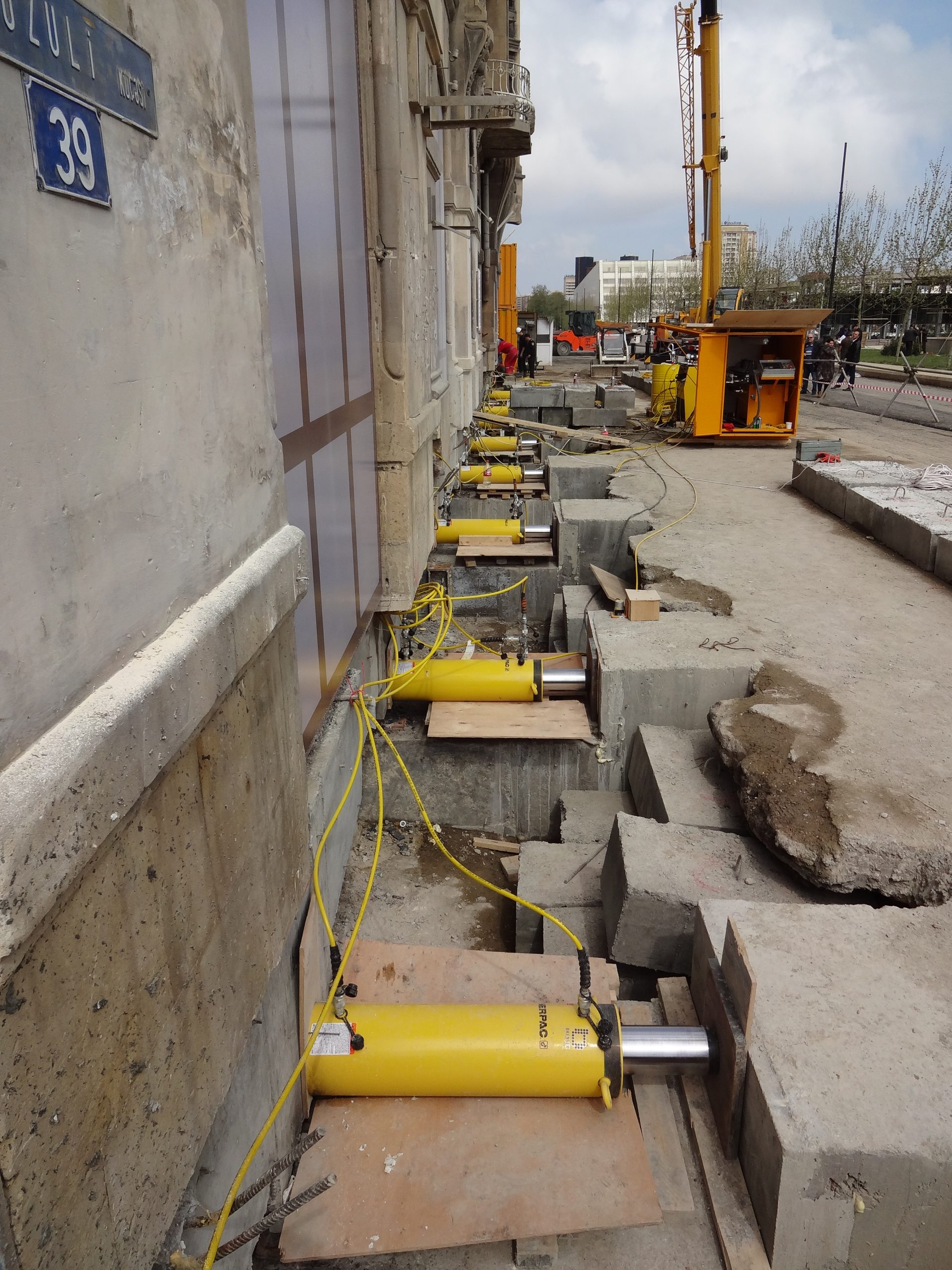
Engineering News-Record magazine (Scott Lewis) recently published a list of the 10 heaviest buildings ever moved worldwide. We are proud that two Bresser projects are included in this prestigious ranking:

  • #1 – Baku, Azerbaijan
  • #6 – Amsterdam, the Netherlands

A result we are truly proud of!