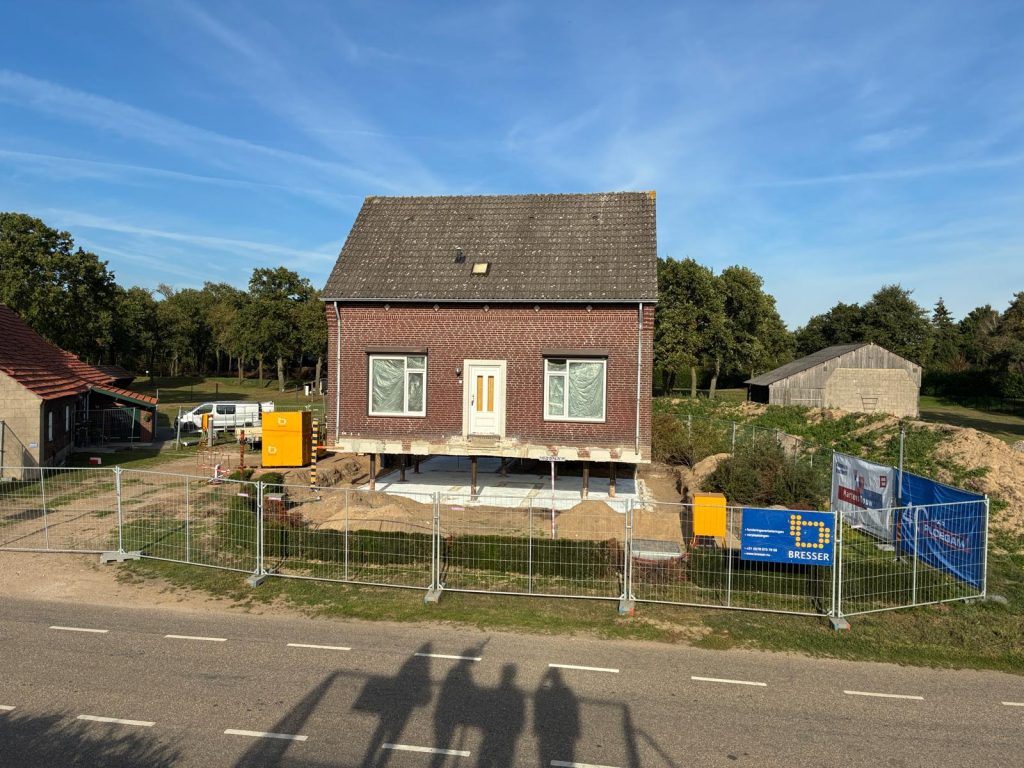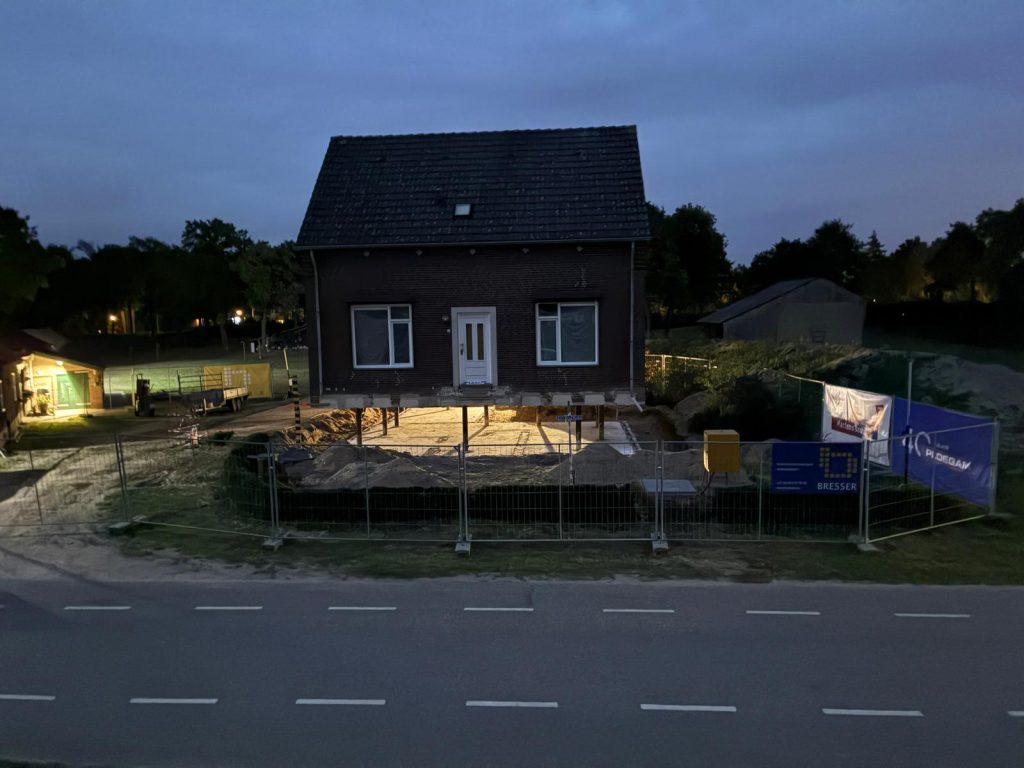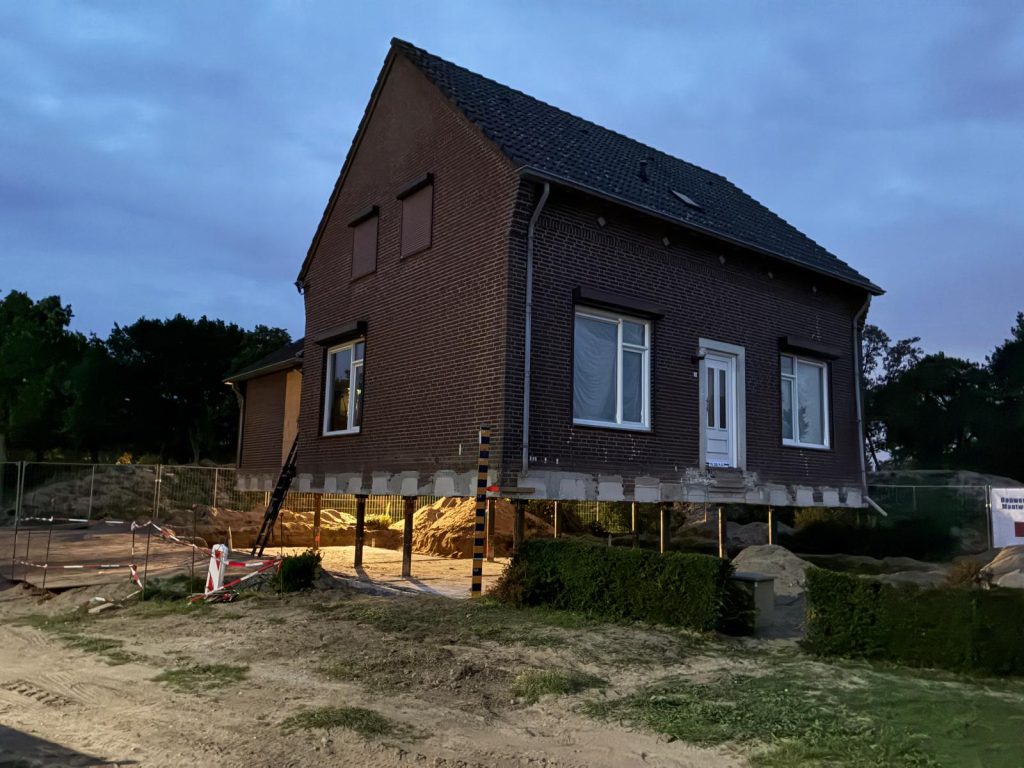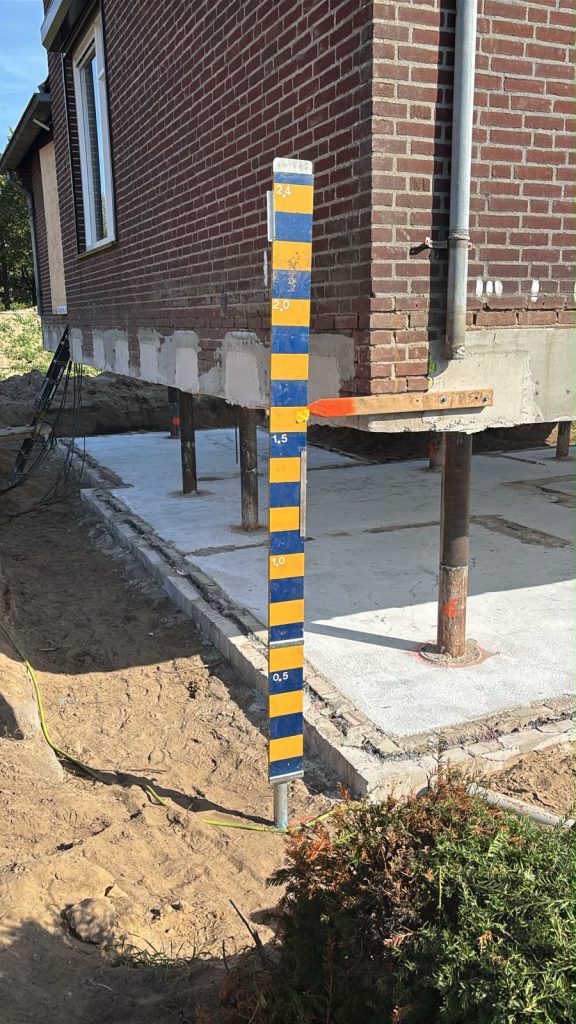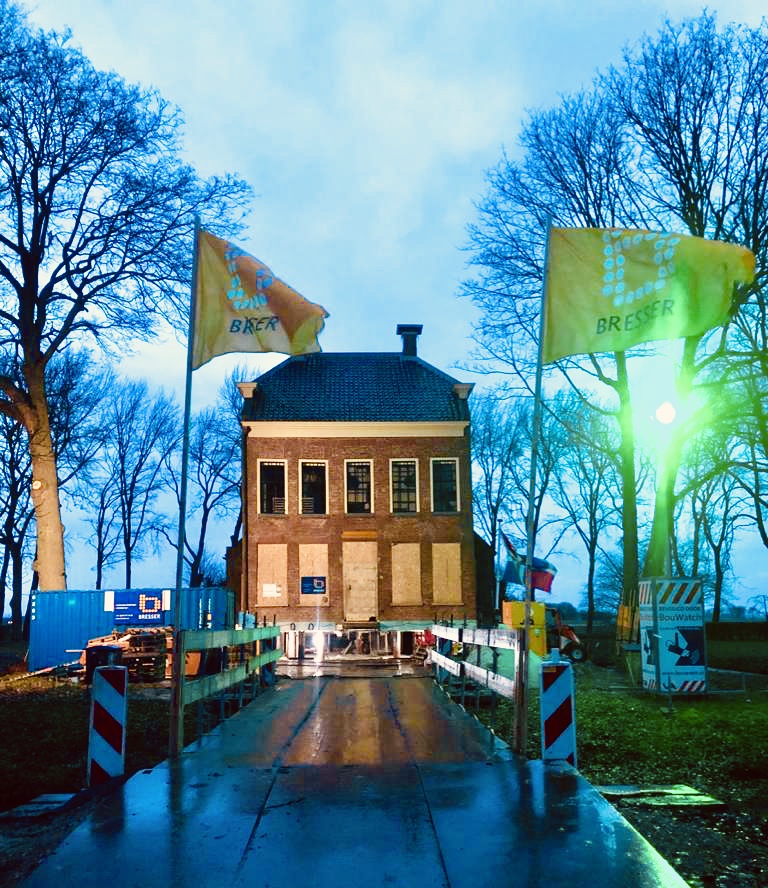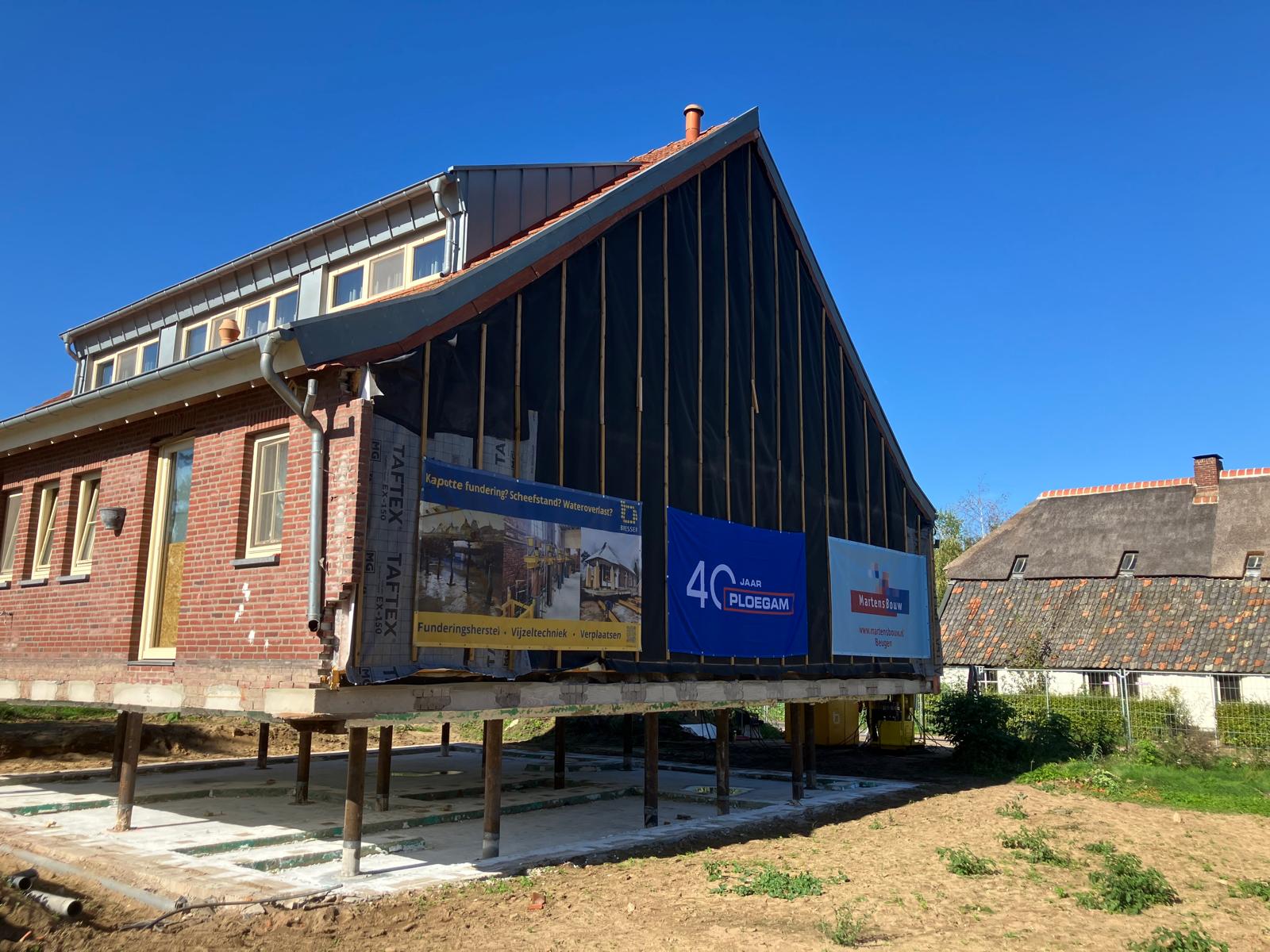
Second home in Well lifted more than 1.5 metres for flood protection

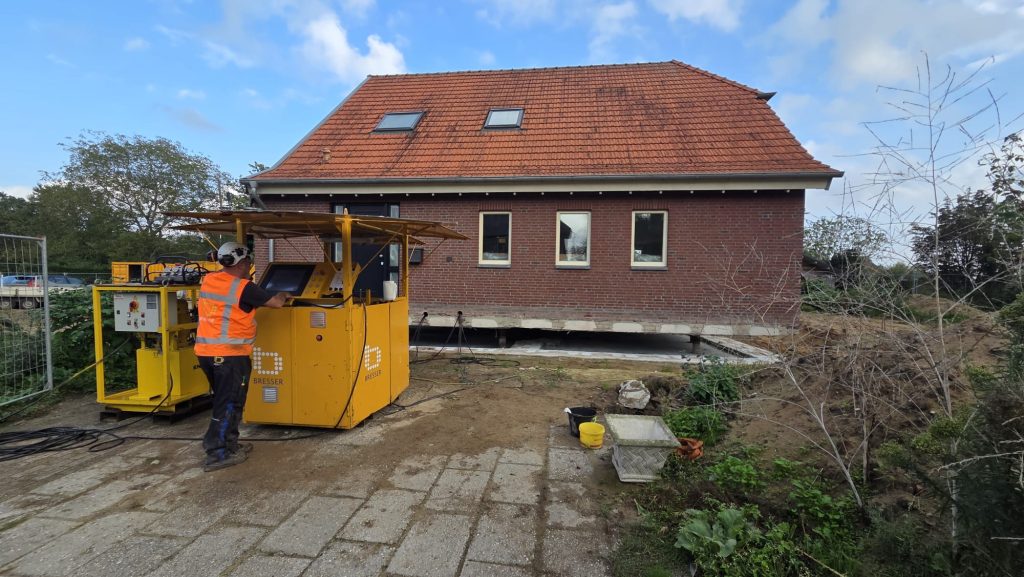
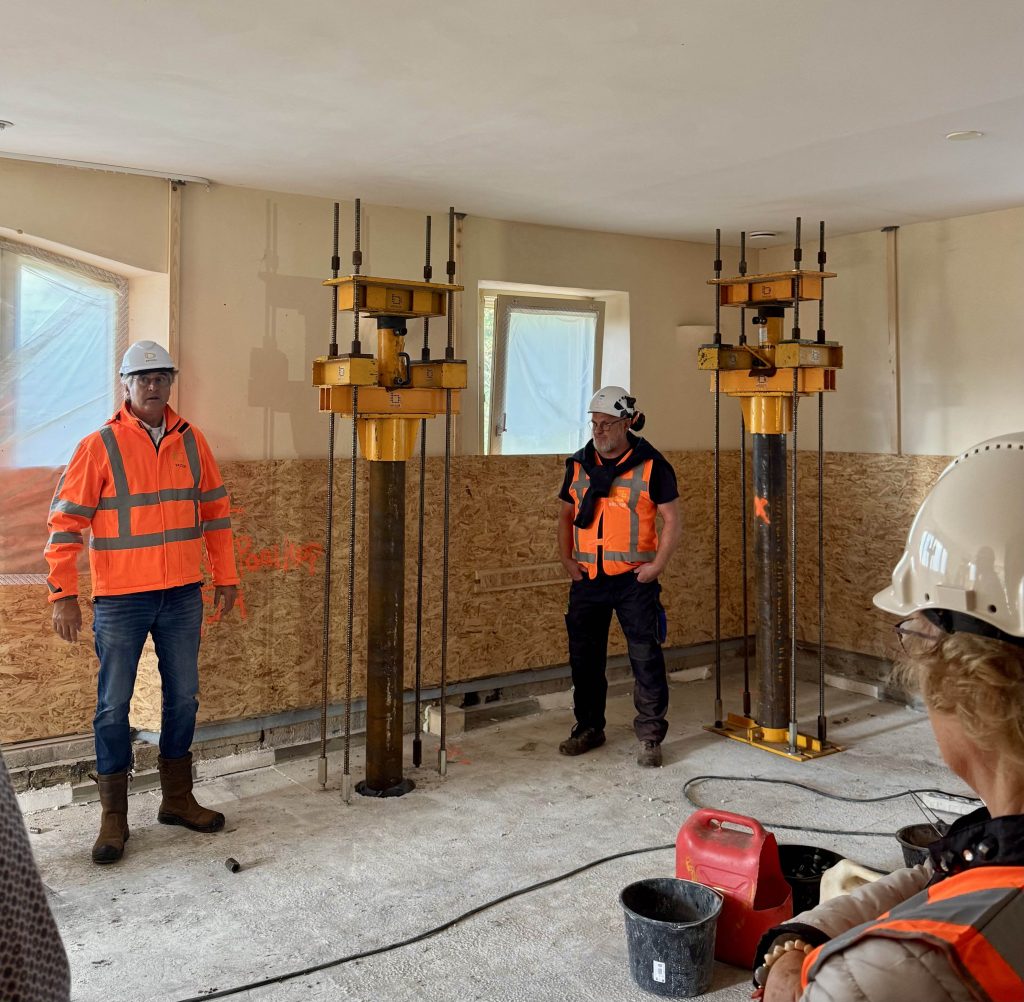
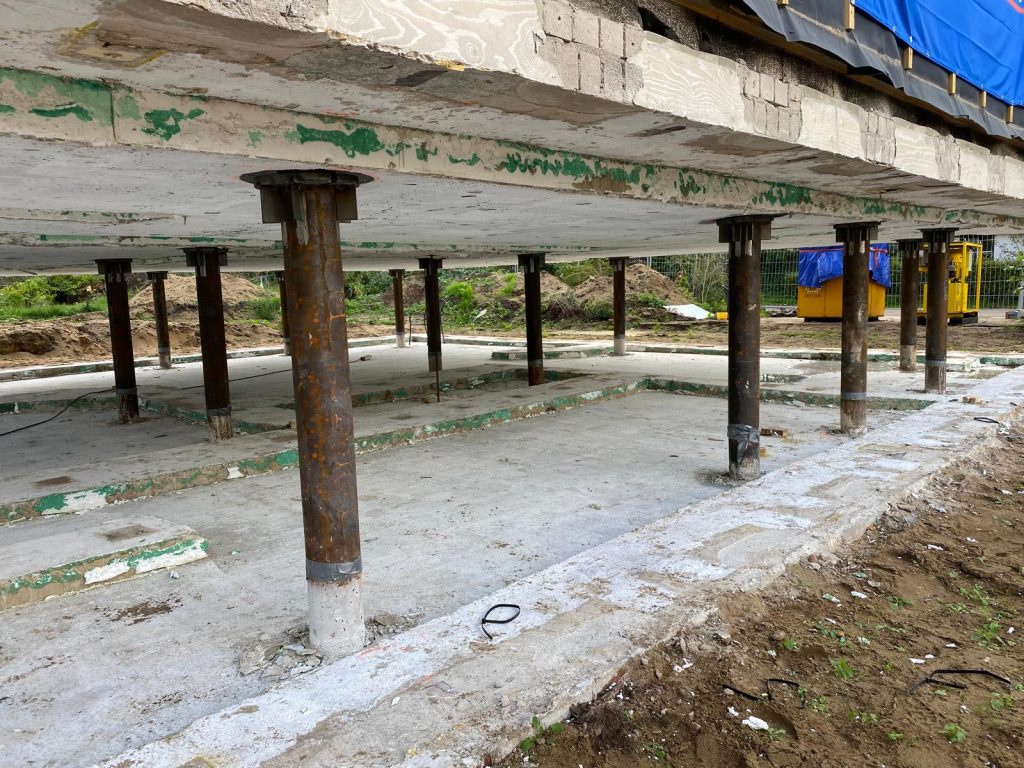
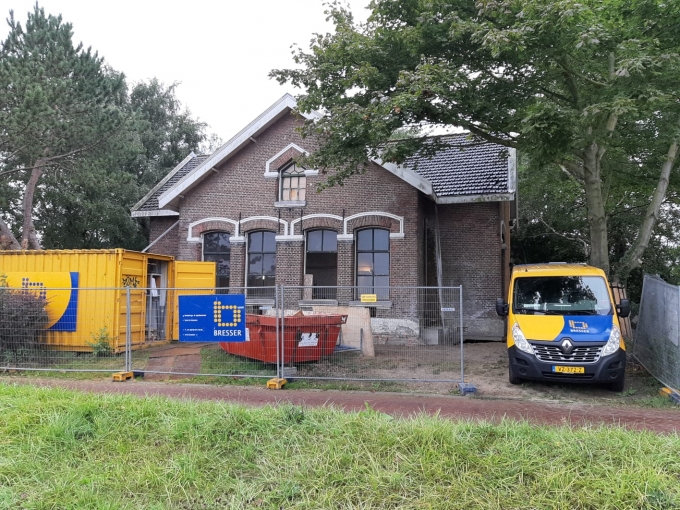
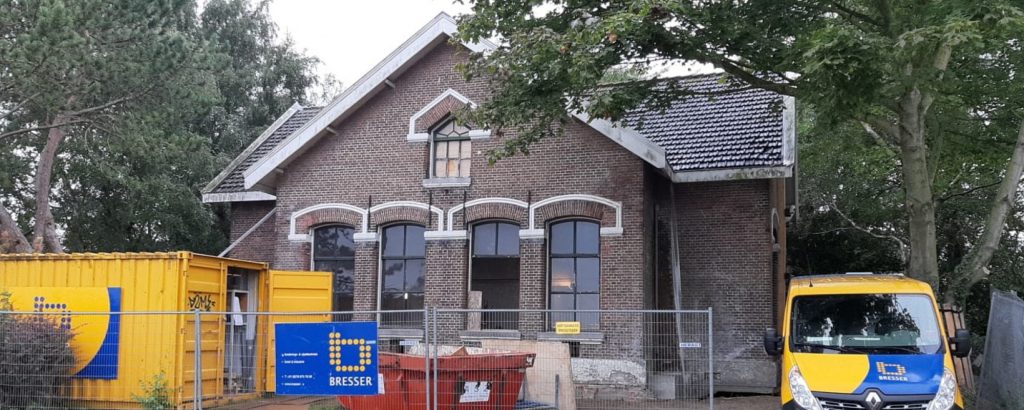
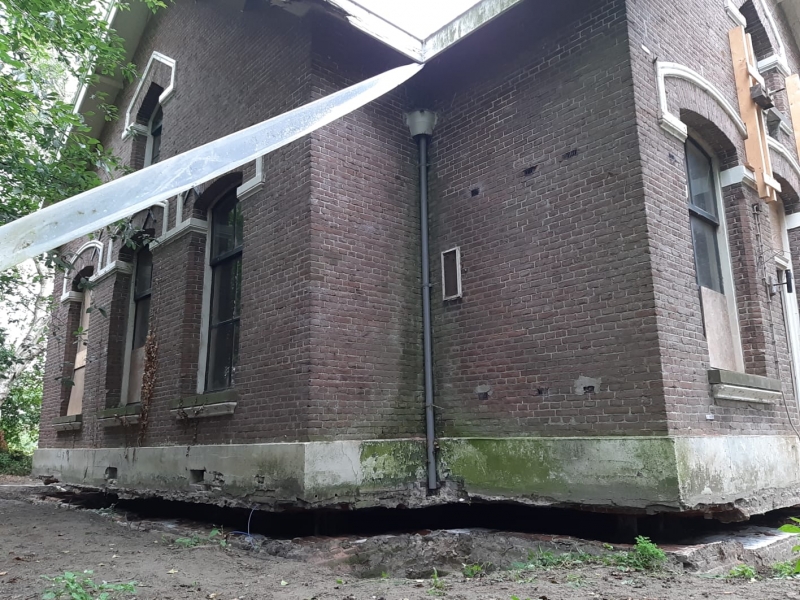
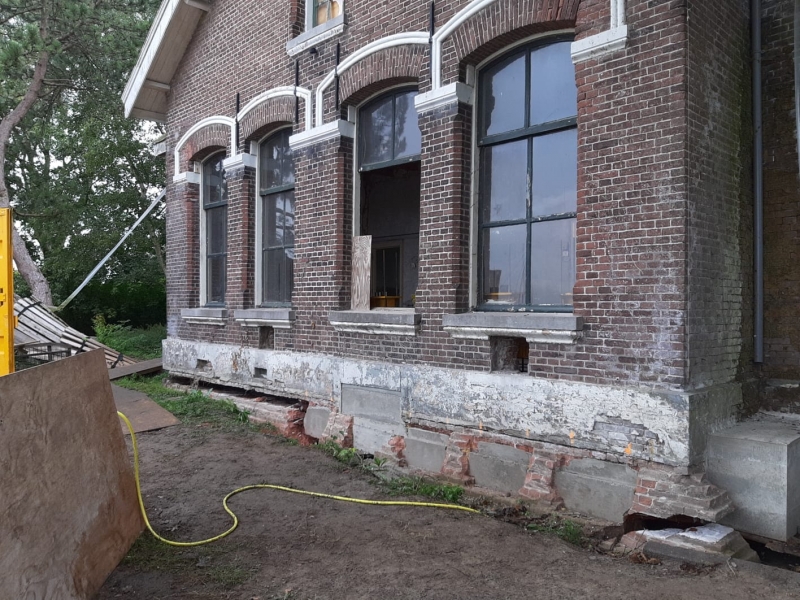
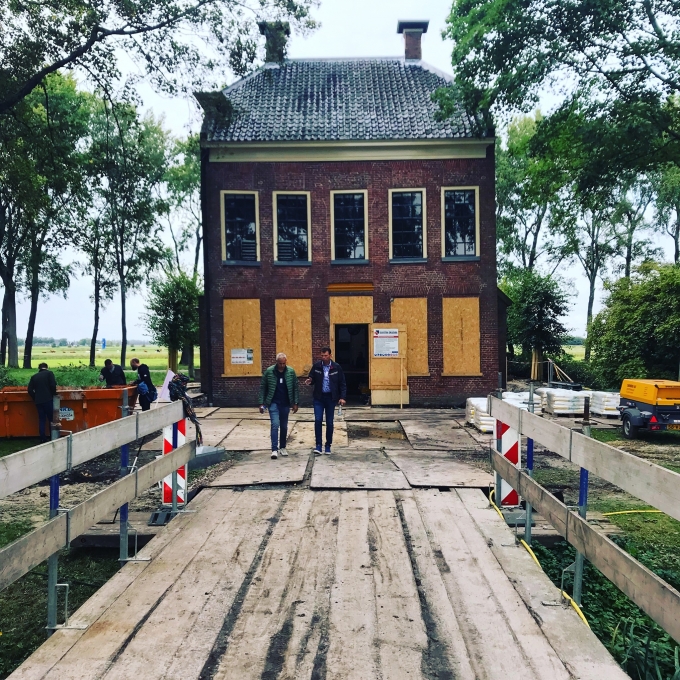
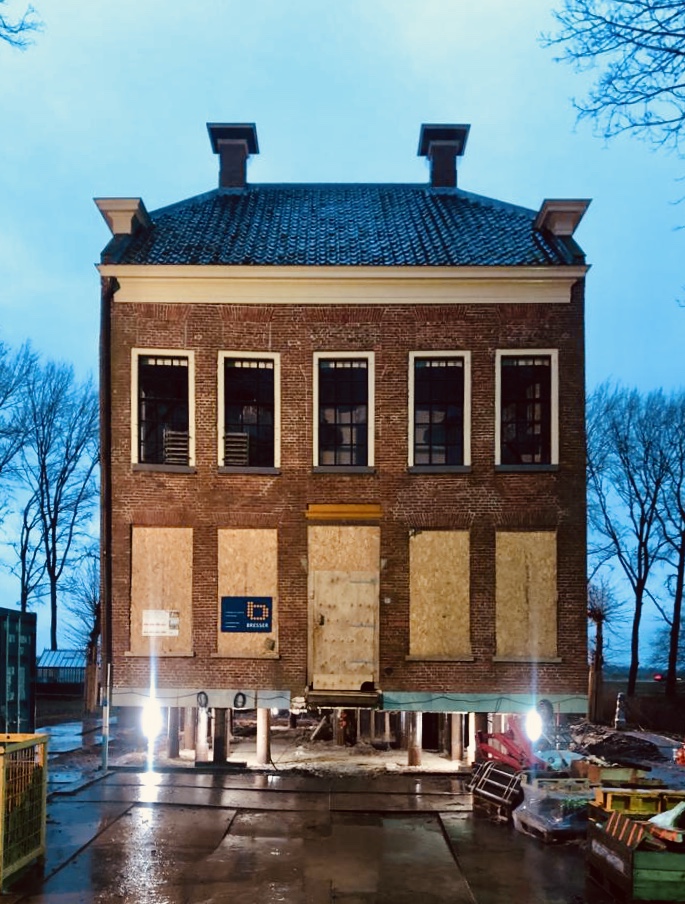
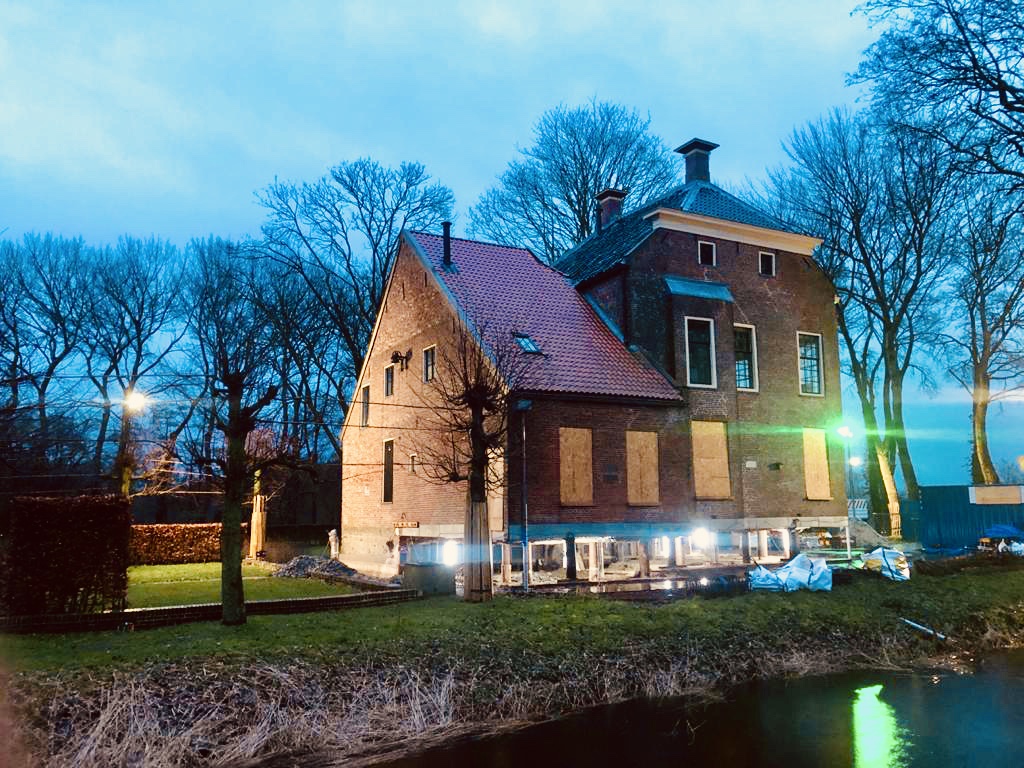
Look, the house is floating! For a moment, it certainly seems that way. The house at De Kamp 3 in the dutch village Well now stands on supports, more than 1.5 metres above ground level. Bresser lifted the property as part of the Groene Rivier Well Area Development Project commissioned by Waterschap Limburg. One month earlier, the house at De Kamp 12 underwent the same remarkable operation (see timelapse). Next year, the farmhouse at De Kamp 10 will also be raised.

Video: PJP Filmstudio

The three homes are being elevated to provide better protection against future flooding. The project forms part of the Groene Rivier Well Area Development Project led by Waterschap Limburg. Thanks to this specialist house-lifting operation, residents can continue living in their familiar homes along the River Meuse while benefiting from enhanced flood protection for the future.

The lifting works at De Kamp are being carried out in close cooperation with residents, the client and project partners. Ploegam is currently constructing the raised earth mounds around De Kamp 3 and De Kamp 12 and will build an elevated access road after De Kamp 10 has been lifted, ensuring all three properties remain accessible. Martens Bouw will be responsible for the internal finishing works of the homes in the coming months.
280-ton grain mill in Waardenburg raised 80 cm

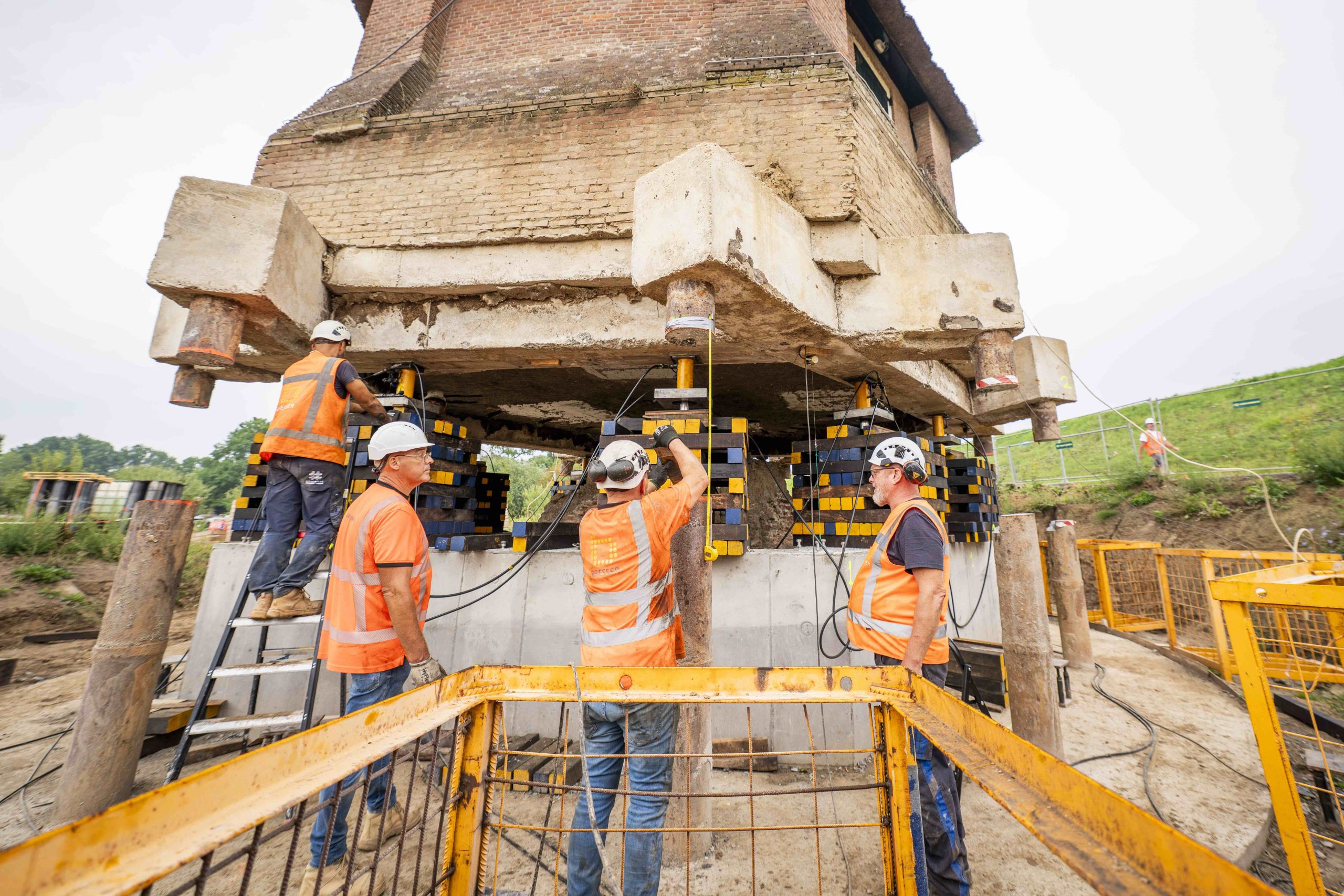
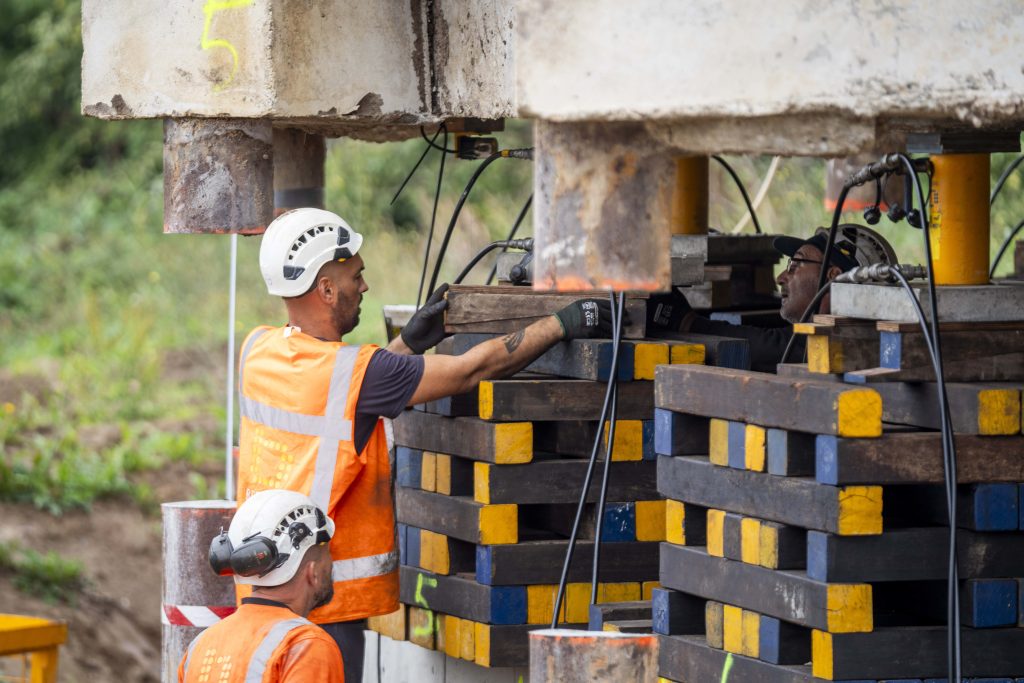
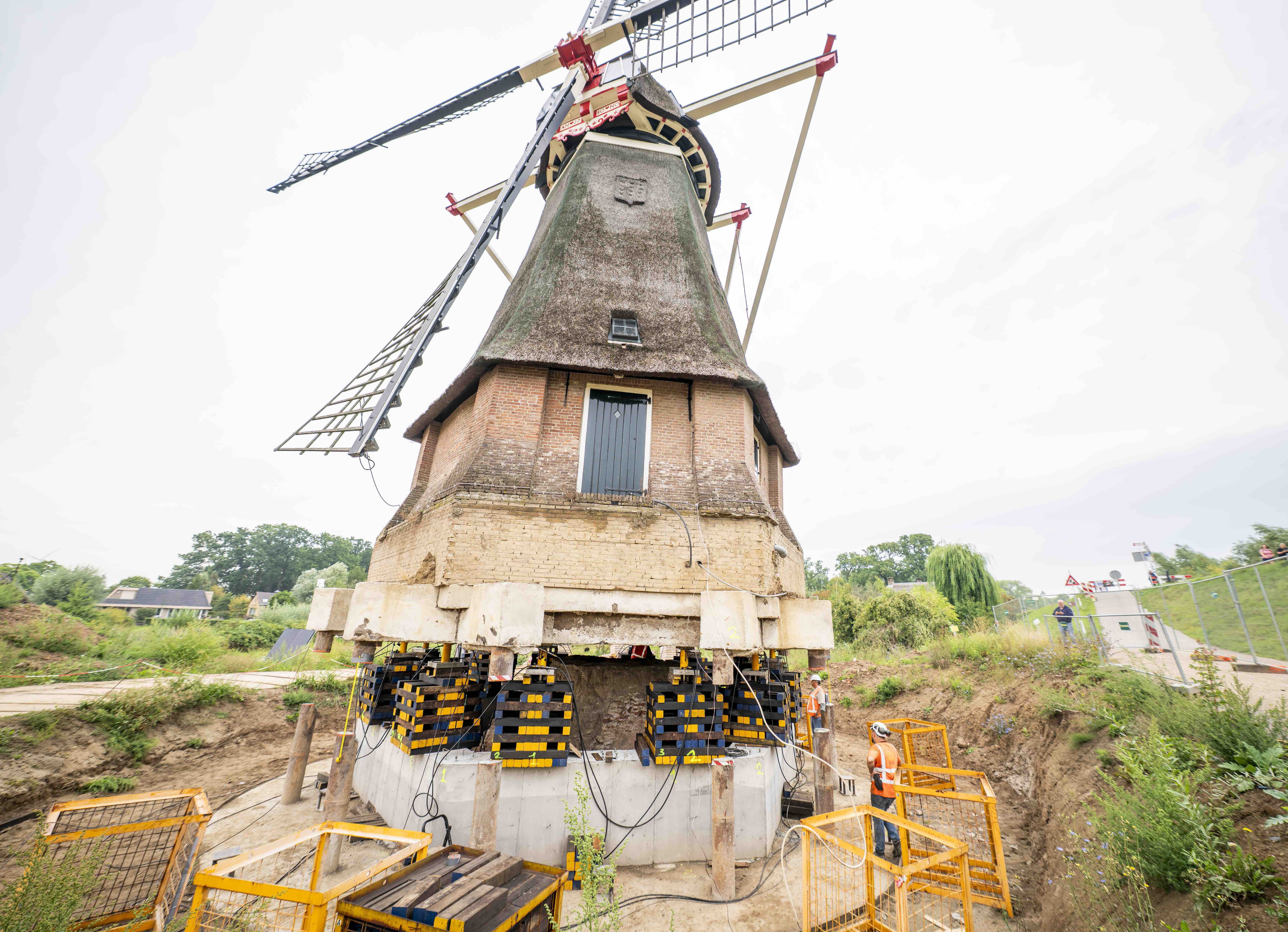
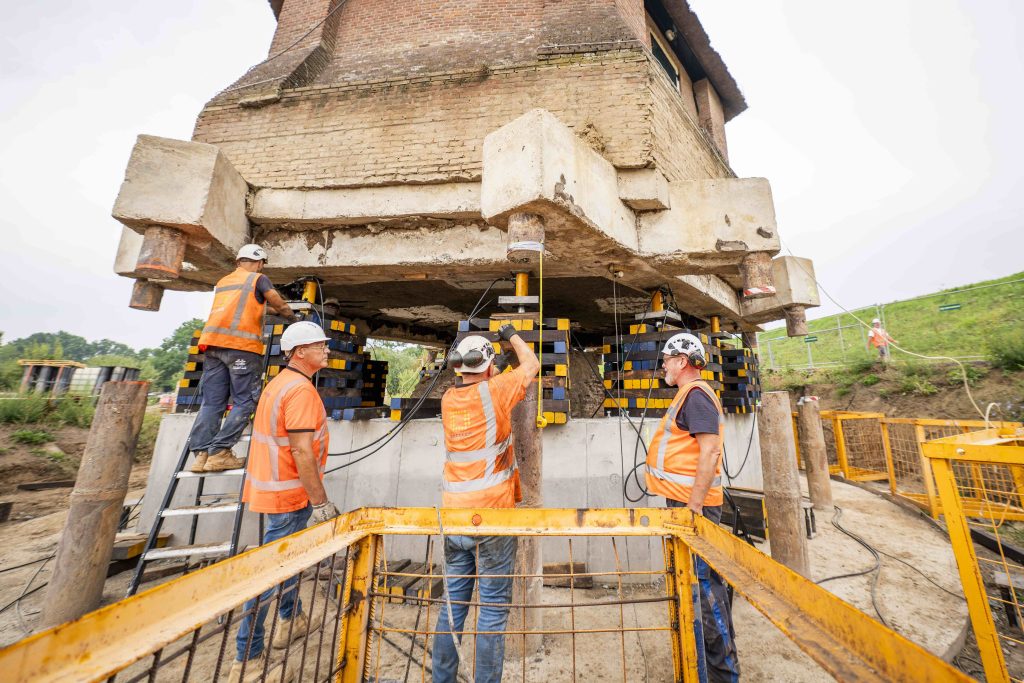
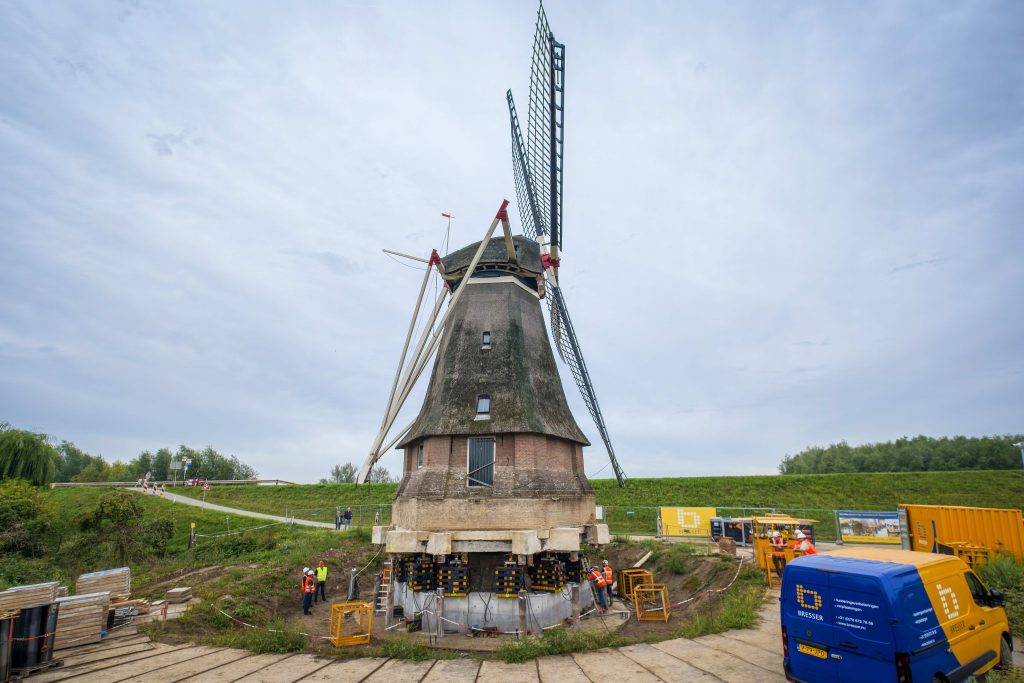
The nearly 250-year-old grain mill in the Dutch village of Waardenburg, weighing approximately 280 tonnes, has reached its highest position ever. Using 12 hydraulic jacks, Bresser carefully lifted this unique heritage structure step by step.

Video credits: Waterschap Rivierenland

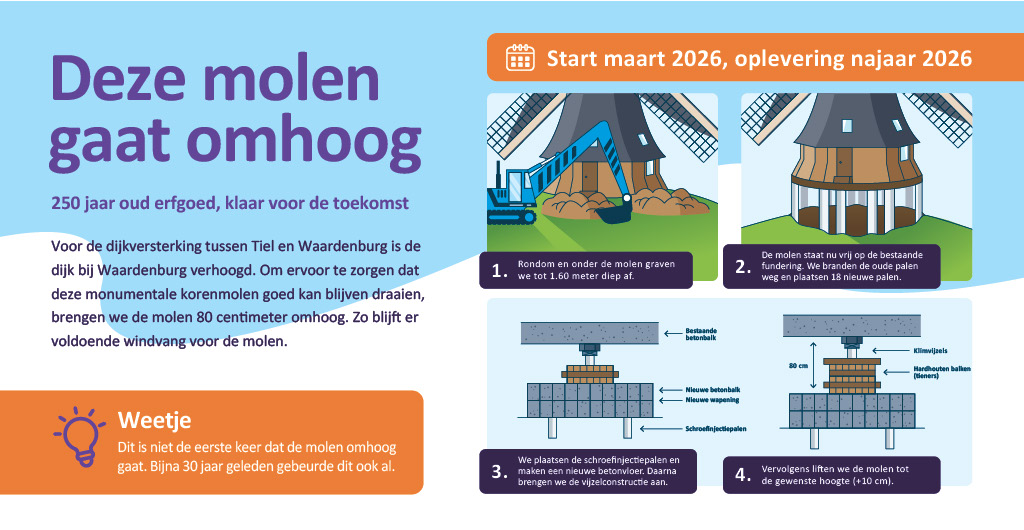
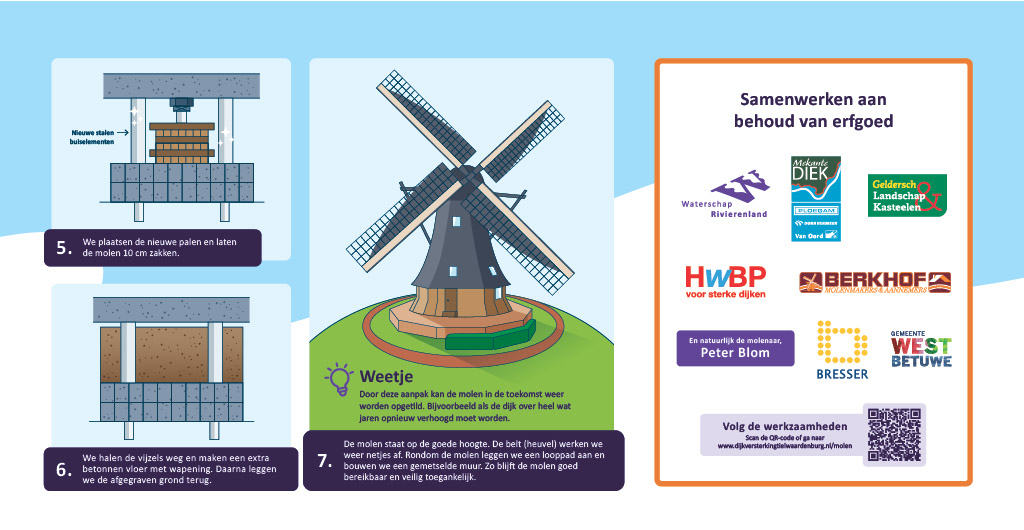
At a rate of approximately 10 centimetres per hour, we raised the mill over the course of two days to a temporary height of 90 centimetres above its original position. In the coming days, the supporting structure will be completed. The mill will then be lowered by 10 centimetres to its final elevation, leaving it permanently 80 centimetres higher than before.

Why was the mill raised?

As part of the Tiel-Waardenburg dike reinforcement project, the flood defence has been raised. Without intervention, the mill would capture less wind, affecting its operation. By permanently elevating the monument by 80 centimetres, the wind environment around the mill is preserved, ensuring that the mill can continue to operate in the future.

The two-day jacking operation followed an extensive period of preparation and engineering. During the project, it became apparent that the existing foundation differed from the original drawings. As a result, the mill was provided with a new foundation supported by 18 screw injection piles.

And for those wondering why the mill still appears slightly tilted: this was a deliberate decision. The mill’s characteristic lean has been carefully preserved as part of its historic character.

Sustainability was also an important consideration. Our jacking control system and hydraulic installation were powered by energy packs, enabling us to work with low emissions and minimal noise.

More than engineering

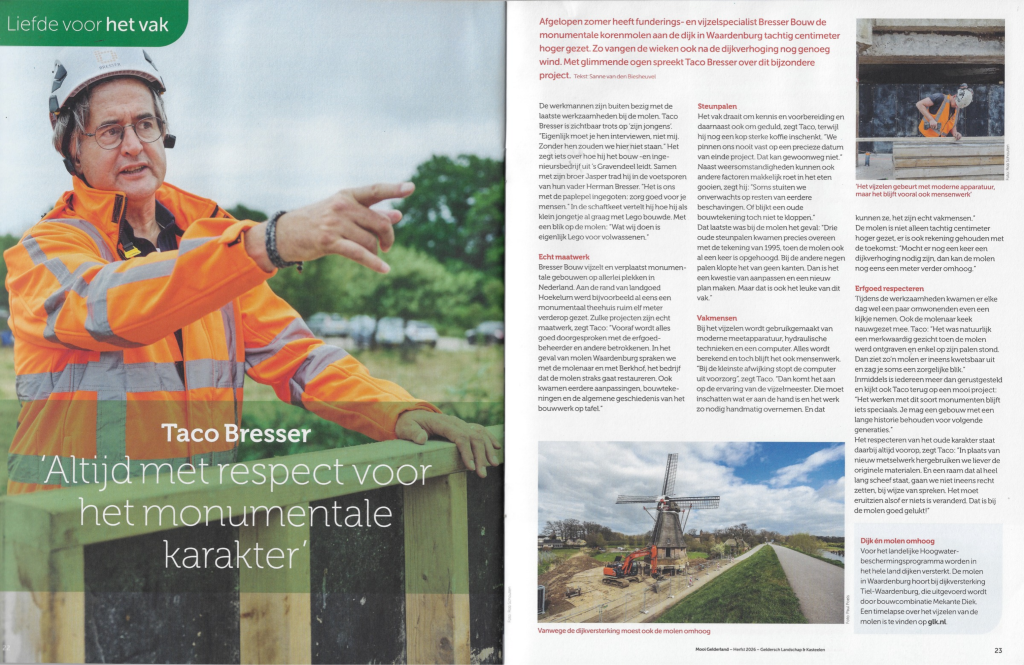
For us, this project is a perfect example of how engineering expertise, heritage preservation and flood protection can come together in a single solution. We are proud to contribute to making this iconic piece of Dutch heritage fit for the future.

We would like to thank all project partners for their trust and excellent cooperation: Waterschap Rivierenland, Bouwcombinatie Mekante Diek (Ploegam, Van Oord and Ballast Nedam), Geldersch Landschap & Kasteelen, Techniek en Methode, adviesbureau voor uitvoeringstechnieken en erfgoedvraagstukken, Jan-Willem Oome, DST, Hadek, SIN, Molenbouwer Berkhof and Bekker Communicatie (Stephanie Bekker).

📸 Photo credits: Cees van der Wal Fotografie

Mooi Gelderland september 2026

Site visit: foundation problems homes along the Almelo-De Haandrik canal

Recently, the Dutch Knowledge Centre for Foundation Problems (Kennis Centrum Aanpak Funderingsproblematiek: KCAF) visited several foundation repair projects along the ‘Almelo-De Haandrik’ canal (Overijssel, The Netherlands). The visit was part of a post-academic training programme focused on practical approaches to foundation issues.

After modifications to the canal to accommodate larger vessels, some waterfront homes began to subside. As a result, sustainable foundation solutions are now being implemented along the canal to stabilize properties and prevent further damage.

During the visit, the group toured several projects, including one by Bresser. These projects are aimed at reinforcing foundations to protect homes for the future.

Monumental lock keeper’s house in Veere (NL) straightened out

Team Bresser has successfully jacked up and straightened the monumental lock keeper’s house in Veere. The characteristic building from 1872 had unevenly subsided, requiring careful rectification to restore its stability.

This project was extra special for our colleague Stefan, as it took place in his home region. The regional newspaper PZC covered the project with a video report and an in-depth story about this remarkable job.

Monumental ‘borg’ is made earthquake-proof

Bresser has contribuited to the future-proofing of the beautiful historic house Borg Rusthoven in Wirdum, Groningen. This important piece of Dutch cultural heritage is being upgraded using advanced base isolation technology.

By applying this earthquake-resistant foundation system, the borg will be protected against seismic activity in the future, ensuring the preservation of this unique heritage site.

The regional newspaper ‘Dagblad van het Noorden’ published an insightful article about this special project, highlighting the importance of safeguarding historic buildings in earthquake-prone areas.

Schok therapy in Groningen (NL): historic rectory made earthquake-resistant

Bresser has successfully made a historic rectory in Garrelsweer, Groningen, earthquake-resistant. To install the innovative seismic solution, the national monument (300 tons) was carefully jacked up by one meter.

This operation created the space needed to install a new earthquake-resistant foundation (base isolation). After completion of the work, the 1931 rectory was safely lowered back into its final position.

By applying advanced engineering techniques, Bresser contributes to the preservation of cultural heritage in earthquake-prone areas. This project ensures that the historic building is protected and future-proof.